
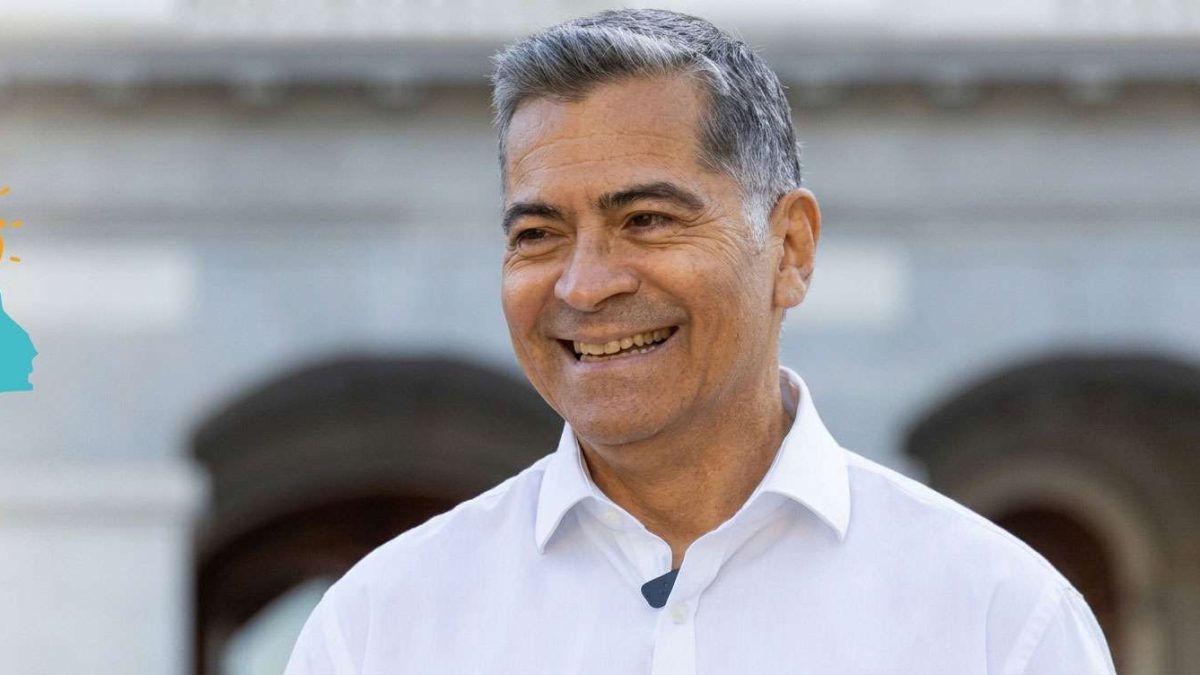
Becerra’s Late Surge Draws Left-Wing Fire as California Governor’s Race Tightens
Xavier Becerra, former U.S. Health and Human Services secretary, surged into the lead in recent Independent Voter Project polling for the 2026 California governor’s race after Eric Swalwell’s exit, emphasizing housing, health care and opposition to a second Trump term.
- Poll surge: Becerra polls about 23% in an Independent Voter Project survey of 3,400 registered voters, vaulting him into contention.
- Field reshaped: Rep. Eric Swalwell’s exit and resignation redistributed Democratic voters and accelerated late momentum.
- Progressive backlash: Left-leaning activists criticize Becerra for ties to corporate interests and insufficiently progressive positions on taxes, single-payer and immigration.
- Local stakes: Hesperia residents will watch housing, taxes, public safety and immigrant services as the race’s policy contrasts sharpen.
Becerra’s polling surge and the reshaped field
Xavier Becerra’s rise has been rapid: a poll reported by the Independent Voter Project shows him at roughly 23% among likely voters in a wide, crowded contest of many Democrats and a large undecided bloc. The result followed Rep. Eric Swalwell’s abrupt exit and resignation amid allegations, an event analysts say redistributed Democratic support and transformed the race days before ballots hit mailboxes.
The field remains fragmented: recent debate coverage and follow-up surveys find multiple candidates in the teens and about 26% undecided in some post-debate polls. That fragmentation makes late momentum — and rapid consolidation — especially powerful as campaigns race toward the June 2 top-two primary. Debate highlights from the Nexstar/Inside California Politics debate underscored housing, homelessness, health care and immigration while leaving many voters still weighing choices.
Progressive backlash: the case against Becerra
Becerra’s late gains have provoked sharp criticism from the party’s left. Progressives and some rival Democrats portray him as a moderate or “go-along” Democrat who is too close to business and entrenched interests. Amar Shergill and other progressive organizers have publicly mobilized to blunt his momentum, arguing the party should nominate a candidate more aligned with progressive policy priorities.
Key lines of attack being circulated include:
- Unaccompanied migrant children: Opponents are resurfacing scrutiny of Becerra’s handling of unaccompanied migrant children while he served as HHS secretary, citing campaign clips and policy choices that critics say need explanation.
- Corporate ties: Critics highlight contributions from major companies such as Chevron to suggest corporate influence and to question whether Becerra will prioritize grassroots progressive demands.
- Progressive policy tests: Detractors note his past opposition to a union-backed billionaire tax and raise doubts about his commitment to single-payer health care, using debate coverage and campaign trackers (see post-debate reporting).
Becerra’s response and political profile
Becerra emphasizes experience. His campaign points to three decades in public service — 24 years in Congress, service as California attorney general and as U.S. HHS secretary — and a record of litigation and policy wins, including suing the Trump administration and defending the Affordable Care Act. The campaign’s website summarizes those claims and lists priorities and past victories on health coverage expansion and drug-cost actions (Xavier Becerra campaign).
On the stump, Becerra argues he can “rebuild the California Dream” through easing housing barriers, expanding Medi-Cal, offering down-payment assistance and pursuing affordability measures. He also frames his candidacy as a front-line defense against the threat of a second Trump administration, pledging action “Day One” if necessary (CalMatters profile).
Financial standing and campaign infrastructure
Becerra enters the race with some seed funding — roughly $1.4 million left from a prior attorney general re-election fund — but will need to ramp up fundraising and build field operations quickly after years away from California’s statewide political spotlight. Building ground teams in key regions and courting undecided voters will be essential as mail ballots begin arriving.
Field context: opponents and an unsettled Democratic field
The Democratic side remains crowded, with figures like Tom Steyer, Katie Porter, Lt. Gov. Eleni Kounalakis and former L.A. Mayor Antonio Villaraigosa among those active or under consideration. Steyer’s populist pitch to tax the rich and Porter’s combative oversight profile energize progressives, while Becerra presents a pragmatic contrast appealing to moderates and business-focused constituencies (CalMatters).
Race-watchers note California’s top-two primary structure makes early vote and mail-ballot outreach decisive: with ballots arriving soon, candidates have a narrow window to define themselves and lock in support before June 2.
Sources and reporting
This article draws from public campaign materials, polling and debate coverage. Key sources include Xavier Becerra’s campaign site, the CalMatters profile of Becerra’s bid, and video reports and polling referenced in the Independent Voter Project reporting and debate coverage (debate reporting; campaign clips). Public clips and search results confirm the timing of Swalwell’s exit and the surge of interest in Becerra but do not disclose internal campaign strategy.
Implications for Hesperia, California
Economic impact
Taxes and business climate: Hesperia voters and local business owners will watch whether a Becerra governorship means business-friendly policies or higher taxes. Critics say he is aligned with corporate players, which could mean fewer immediate tax hikes than a Steyer administration that promises to tax the wealthy. For local small businesses, a moderate administration could signal steadier relations with corporations and less regulatory disruption.
Housing and affordability: Becerra’s promises to ease housing barriers and expand down-payment assistance could affect High Desert development. Hesperia faces affordability pressure; state incentives or relaxed rules may spur projects, but residents will want details on funding and zoning changes that directly affect local growth.
Political consequences
Local turnout and party dynamics: Hesperia leans conservative relative to coastal California. Becerra’s pragmatic positioning may appeal to moderates, while progressive attacks could consolidate the left behind Steyer or Porter. Republicans and conservative independents will press themes of fiscal restraint, public safety and skepticism of “tax-the-rich” proposals.
Law enforcement and public safety: With Republicans emphasizing law-and-order themes, Hesperia voters and officials will evaluate candidates on parole policy, homelessness approaches and policing. A Becerra administration’s posture on public-safety funding and cooperation with county sheriffs could influence local politics.
Social effects
Immigration and services: Becerra’s record on unaccompanied migrant children has become a point of contention. Hesperia — in a region that has seen vigorous immigration debates — will follow proposals on state support for migrants, school enrollment impacts and county social services.
Homelessness and social programs: State policy on homelessness funding and Medi‑Cal expansion can directly alter local services. Becerra’s health-care background may push for more state-supported health services, though budget constraints and trade-offs will shape what reaches Hesperia.
Cultural relevance
Messaging and values: Hesperia voters often prize limited government, fiscal responsibility and local control. Candidates emphasizing business-friendly policies, support for law enforcement and restrained tax plans can resonate. Becerra’s establishment image may alienate some progressives while reassuring moderates wary of heavy taxation or regulation.
Practical applications for residents
Voting and early ballots: With ballots arriving soon, Hesperia residents should review candidate positions on housing, taxes, public safety and local services before casting early votes. The late shift toward Becerra makes informed choices and timely engagement especially important.
Local engagement: Expect increased outreach from community groups, chambers of commerce and faith organizations as campaigns target mail ballots with mail, phone and event efforts aimed at shaping who advances to November.
Reporting note
Polling and campaign information in this report come from public sources, including Independent Voter Project polling reporting, debate coverage, the Xavier Becerra campaign site and a CalMatters profile. Ballots for the June 2 top-two primary will begin arriving soon, making the coming weeks decisive for candidates including Xavier Becerra.


