
Hollywood impostor David Pearce sentenced to 146 years in Los Angeles; prosecutors disclose rape accusation from late LAPD hero
David Pearce, who posed as a Hollywood producer, was sentenced to 146 years in Los Angeles for the 2021 fentanyl deaths of Christy Giles and Hilda Marcela Cabrales-Arzola, plus multiple sexual-assault convictions spanning 2007 through 2021.
Key takeaways
- Defendant: David Pearce, who posed as a Hollywood producer. Source: IMDb news summary.
- Sentence: 146 years in Los Angeles Superior Court. Source: IMDb news summary.
- Murder convictions: Two counts of first-degree murder for Christy Giles and Hilda Marcela Cabrales-Arzola (2021). Sources: IMDb news summary; CBS Los Angeles report.
- New allegation: Prosecutors disclosed a separate rape accusation from a deceased LAPD officer during sentencing (details not fully disclosed). Source: IMDb news summary.
Case overview and convictions
Prosecutors described a pattern of deception and predatory conduct. According to court filings and reporting, Pearce used a false persona as a Hollywood producer to gain access to social events and to lure victims. Investigators say he met both Christy Giles, a model, and Hilda Marcela Cabrales-Arzola, an architect, at a warehouse party in East Los Angeles in 2021 and later brought them to his Beverly Hills apartment.
Authorities allege fentanyl was used to incapacitate the women. Giles was pronounced dead after being taken to a hospital; Cabrales-Arzola died 11 days later. A jury convicted Pearce of two counts of first-degree murder in connection with those deaths and returned guilty verdicts on multiple sexual-assault counts tied to seven victims across 2007–2021.
Sexual offenses and timeline
Charges included: three counts of forcible rape; two counts of sexual penetration with force; rape of an unconscious victim; and forced sodomy — covering seven victims over roughly 14 years. Prosecutors framed the crimes as a long-running pattern of predatory behavior.
Court presentation and sentencing
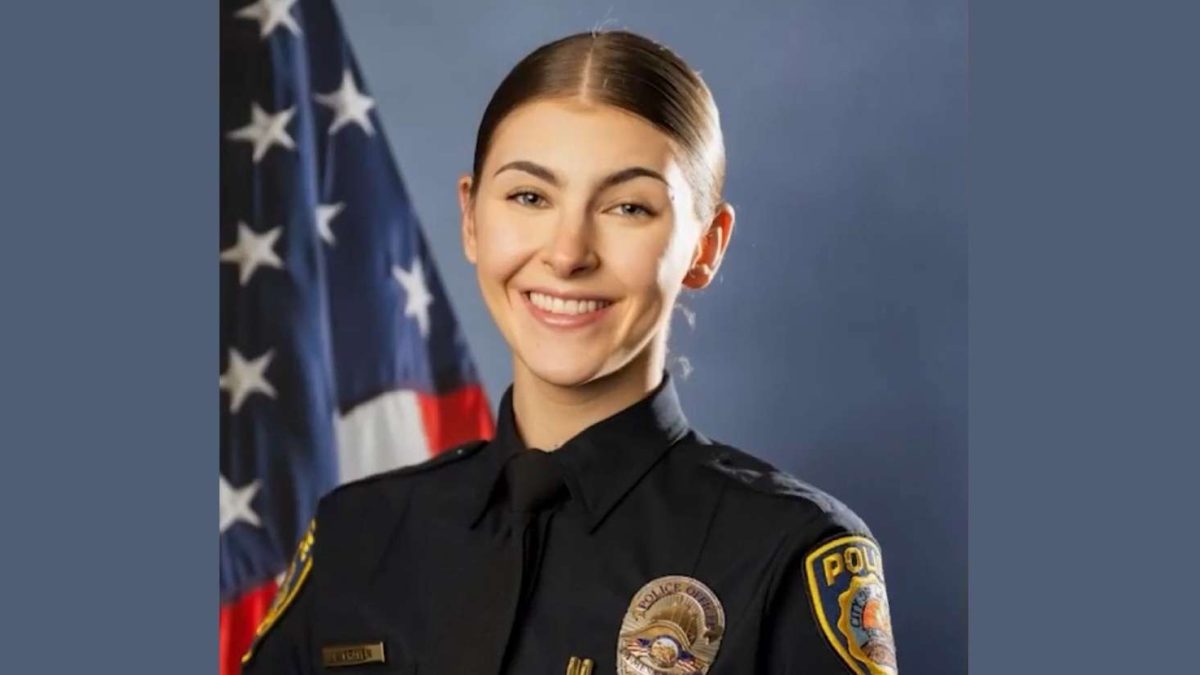
At sentencing before Judge Eleanor Hunter in Los Angeles Superior Court, the judge imposed a combined term of 146 years, reflecting both the murder convictions and the sexual-offense convictions. During the hearing, prosecutors introduced an additional allegation: a rape accusation from a Los Angeles Police Department officer who had been publicly honored as a hero and later died while helping others. Court filings and public reporting did not fully disclose the officer’s identity or the circumstances of the officer’s death.
Prosecutors used the officer’s claim to highlight the defendant’s reach and the danger he posed across social lines.
Why the LAPD officer allegation matters
The disclosure that a law enforcement officer accused Pearce of rape broadened concern about the defendant’s victim profile and methods. An allegation from a celebrated officer — described in court as a hero who died helping others — underscored prosecutors’ argument that Pearce targeted people across social boundaries. Reporting emphasized that the accusation surfaced at sentencing rather than as a trial count and that the officer’s death was not publicly tied to Pearce in available records.
Victims, community reaction and evidence
Victim profiles: Christy Giles was a model; Hilda Marcela Cabrales-Arzola was an architect. Family members and advocates described both women as vibrant and talented, and their deaths prompted national attention, grief and calls for accountability.
Investigative evidence: Prosecutors relied on witness testimony, physical and forensic evidence, messages, and event timelines to link Pearce to encounters and the use of fentanyl. These elements were central to the murder convictions for the 2021 deaths.
Legal context and public-safety implications
A 146-year sentence signals severe punishment for violent crimes that combine sexual assault and drugging that leads to death. Key public-safety takeaways include:
- Deceptive tactics: Offenders using false identities to access victims at parties and events.
- Fentanyl danger: Even small doses can be lethal when used to incapacitate someone.
- Institutional reporting: The officer allegation raises questions about how law-enforcement victims come forward and how such reports are handled.
Implications for Hesperia, California
Although the case originated in Los Angeles, it has potential indirect effects in nearby communities like Hesperia:
- Economic impact: No direct financial effects expected, but heightened awareness may prompt event-hosting businesses to tighten security.
- Political consequences: Conservative voters and local leaders may call for tougher penalties, more victim services funding, and stricter action on fentanyl distribution.
- Social effects: Faith groups, parent associations and community organizations may expand consent education, drugging awareness and survivor support initiatives.
Practical precautions for residents include: never leave drinks unattended, travel to and from gatherings with trusted people, report suspected drugging or assault promptly, and use local victim resources and hotlines for immediate support.
Sources and further coverage
Primary reporting and resources cited in this article:
- IMDb news summary
- CBS Los Angeles video report
- YouTube coverage linked by local reporting
- Additional follow-up reporting referenced prosecutors’ coverage from The Hollywood Reporter and KTLA (reporting current as of late October 2025).
Presiding judge: Judge Eleanor Hunter, Los Angeles Superior Court. (Source: IMDb news summary.)


