
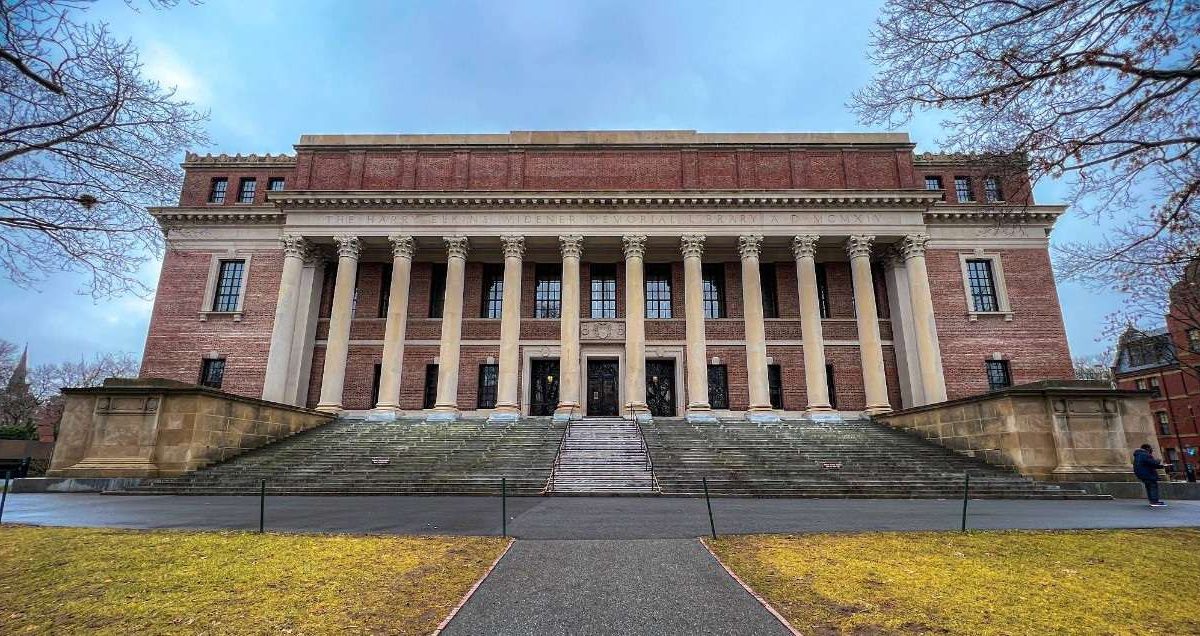
Harvard Students Push Back as Report Blames ‘Too Many A’s’ — Campus Braces for Stricter Grading
Harvard University faces contention after a report found over 60% of undergraduate grades are A’s — up from about 25% two decades ago — prompting proposals for stricter grading and transcript disclosures and sparking student anxiety and debate.
- More than 60% of undergraduate grades now are A’s, compared with ~25% two decades ago, per a review by Harvard’s Office of Undergraduate Education.
- The review calls grading “too compressed and too inflated” and recommends transcript disclosures, revised scales and more standardized assessments (report).
- Students responded emotionally — some reported anxiety and tears — while experts warn grade inflation is a nationwide trend that complicates comparisons (federal analysis).
Report details and what it found
Harvard’s internal review examined grades across the College and found the median GPA is around 3.8, meaning most students graduate with near–straight-A averages. The review warns that such clustering makes it difficult for employers and graduate programs to distinguish top performers (Harvard report, coverage).
How grades rose
The review traces a steady rise in A’s over roughly two decades — from about 25% to over 60% — with substantial jumps in the 2010s and a spike during the COVID-19 pandemic when remote learning altered assessment norms (Campus Reform analysis, Economic Times).
Key point: average study hours per course remain roughly six per week — essentially unchanged — suggesting higher grades are not explained by a large increase in student effort (report findings).
Why grades rose
The review points to several causes:
- Faculty pressure: instructors may give higher marks to avoid poor course evaluations that can affect careers (analysis).
- Pandemic-era policies: emergency grading and remote assessments likely shifted norms, producing sustained higher averages (study).
- Technology and outside help: concerns about AI-assisted or external aid prompted recommendations for more in-person, proctored testing to protect assessment integrity (report).
Proposed fixes
The review proposes multiple remedies aimed at restoring meaning to grades:
- Transcript disclosure: show the median grade for each course so outside readers see clustering (recommendation).
- Revised grading scales: consider adding an A+ tier to better differentiate top students (proposal).
- Standardize assessments: encourage consistent grading across sections and more aligned evaluations.
- More in-person testing: reduce opportunities for outside help, including sophisticated AI-assisted work (report).
Student reaction: anger, fear and debate
The report’s release produced heated campus debate. Some students expressed anxiety and strong opposition to changes that might lower grades or increase uncertainty. Media outlets quoted students who described emotional reactions — one student said,
“I was crying.”
(Fox News).
Critics say median-grade disclosures could stigmatize students who choose rigorous courses with low medians and could intensify competition and mental-health pressures.
Academic reputation and broader concerns
Harvard warns of reputational risk: continued inflation could erode the credibility of a Harvard degree and blur distinctions between excellence and mediocrity (Harvard report).
Experts note this is not isolated. Nationally, four-year college GPAs rose more than 16% from 1990 to 2020, and A is the most common grade at many institutions (federal analysis).
Investigative questions the report raises
- Are faculty evaluations and career pressures shaping grades more than academic standards? (report).
- Did pandemic-era emergency policies permanently change grading norms? (study).
- How will AI and outside resources be policed — and what will more in-person testing mean for pedagogy? (recommendation).
Implications for Hesperia, California
Economic impact: Local employers who hire degree-holders may change how they read resumes if elite institutions adopt transcript disclosures — potentially benefiting Hesperia businesses that rely on clearer credential signals, though a shift could also reduce the pool of easily comparable high-GPA applicants (Harvard report, federal context).
Political consequences: The debate may resonate with conservative voters in Hesperia who emphasize merit and standards, possibly encouraging local calls for stricter grading and clearer accountability.
Social and cultural effects: Families and students may worry about fairness in admissions and scholarships, while some residents may welcome reforms that restore clear measures of achievement.
Practical applications: Counselors in Hesperia should stress demonstrated skills, internships, and recommendations; local employers and colleges might begin asking applicants about course medians or program rigor if disclosures spread.
Sources and reporting
This article draws on Harvard’s review (Harvard’s Office of Undergraduate Education report), coverage of the findings and reactions (Campus Reform, Economic Times), and reporting on student responses (Fox News). Broader national context comes from federal education analysis on grade trends (U.S. Department of Education).


