
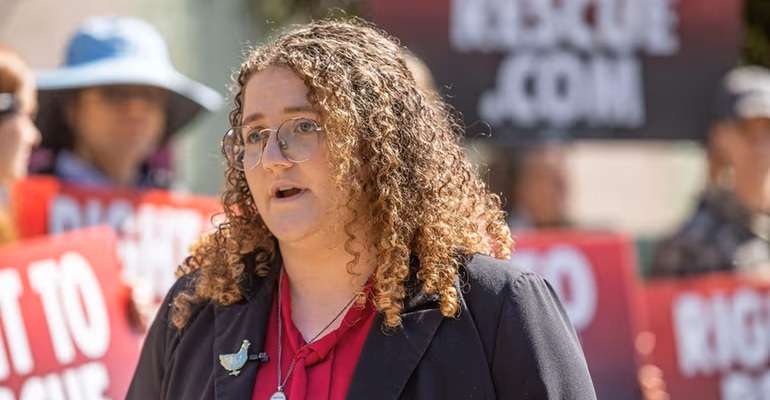
Trial of animal activist who took Petaluma Poultry chickens spotlights slaughterhouse practices, property rights
In Sonoma County, animal rights activist Zoe Rosenberg faces trial after removing four allegedly sick chickens from Petaluma Poultry in June 2023, sparking debate over open rescues, animal welfare laws, and property rights across the U.S.
- Open rescue vs. law: Rosenberg says she intervened to prevent suffering; prosecutors call it theft and trespass.
- Evidence: Veterinarians later reported parasites, infections and injuries in the birds — details cited in local reporting and advocacy filings.
- Stakes: Charges reduced to one felony and three misdemeanors; the most serious count carries nearly five years’ exposure.
- Broader impact: A ruling on necessity defenses could influence future animal-welfare activism and industry security measures.
The incident and evidence
What prosecutors say: Authorities allege Rosenberg entered Petaluma Poultry without permission in June 2023, removed four chickens and departed in a vehicle. Petaluma Poultry, a Perdue Farms subsidiary, maintains that the facility follows humane handling practices and that taking company property is not justified by personal beliefs.
Veterinary findings: News reports and court filings note veterinarians diagnosed the birds with Coccidia parasites, infections and injuries after their removal (Sentient Media, San Francisco Chronicle).
“The evidence presented by veterinarians is central to claims that animal suffering occurred — and to the defense’s necessity argument.”
Rosenberg’s account and the “open rescue” claim
Defense narrative: Rosenberg and allies describe the event as an “open rescue.” She testified she observed birds in distress and believed immediate removal was necessary to prevent ongoing abuse, asserting a moral obligation to act rather than wait for authorities (San Francisco Chronicle).
Aftercare: Supporters point to veterinary reports and subsequent sanctuary care; reports indicate the rescued chickens were treated and now reside at an animal sanctuary (Sentient Media).
Prosecution’s position and legal framework
Prosecutors argue: Moral conviction does not excuse illegal entry and removal. The District Attorney’s office contends Rosenberg’s actions constituted theft and trespass and questions why she did not contact law enforcement or animal control first (San Francisco Chronicle).
Legal defense: California law may permit a necessity defense where a defendant claims immediate action was needed to prevent greater harm. The court will assess whether Rosenberg’s belief was reasonable and whether lawful alternatives existed.
Charges and possible penalties
Rosenberg was originally booked on five felonies; charges were pared down in pretrial negotiations to one felony conspiracy count and three misdemeanors — including two types of trespassing, theft and vehicle tampering. If convicted on the most serious counts, she faces up to nearly five years in prison. She was released pretrial under conditions including wearing a GPS ankle monitor for about 20 months (Right To Rescue, Sentient Media).
National debate: open rescue vs. property rights
The case has drawn national attention and polarized opinion. Advocates of open rescues argue such tactics expose cruelty and alleviate suffering; opponents — including many in farming and food production — warn that unauthorized removals endanger workers, violate private property rights and threaten biosecurity at agricultural operations (San Francisco Chronicle, Sentient Media).
Petaluma Poultry and industry reactions
Company stance: Petaluma Poultry has defended its operations and disputed claims of systemic cruelty, using language about “spacious” and “low-stress” environments that activists label as humane-washing.
Industry concerns: Poultry processors warn that a legal acceptance of necessity defenses in similar circumstances could encourage more open rescues, increasing security costs and risking property-rights challenges (San Francisco Chronicle).
Public demonstrations and advocacy
Groups such as Direct Action Everywhere have used the trial to rally support, press for charges against the facility under animal-cruelty statutes and call for stronger enforcement of animal welfare standards (Right To Rescue, San Francisco Chronicle).
Courtroom developments and logistics
The trial opened Sept. 15, 2025, in Santa Rosa and was expected to run into late October 2025. The reduced charge sheet and pretrial monitoring reflected negotiated decisions shaping both prosecutorial priorities and defense strategy (Right To Rescue).
Implications for Hesperia, California
Economic: A precedent allowing broader activist entries could prompt processors and farmers to invest more in security, insurance and compliance, potentially raising costs for Hesperia-area suppliers and transport firms.
Political and social: Local debates may sharpen around law enforcement priorities, property rights and animal welfare — influencing voter sentiment and policymaker responses in the region.
Cultural relevance: The trial highlights tensions between activist intervention and traditional views of private enterprise in communities with rural ties.
Practical applications for residents
- For farmers and processors: Review on-site security, reporting procedures and documentation protocols to reduce vulnerability to unauthorized entries.
- For residents: If you suspect animal cruelty, contact local authorities or animal control first to avoid legal complications.
- Community steps: Establish clear chains of reporting and timely inspections to lower incentives for vigilante rescues.
Sources and further reading
Reporting by Times Media Service.


