
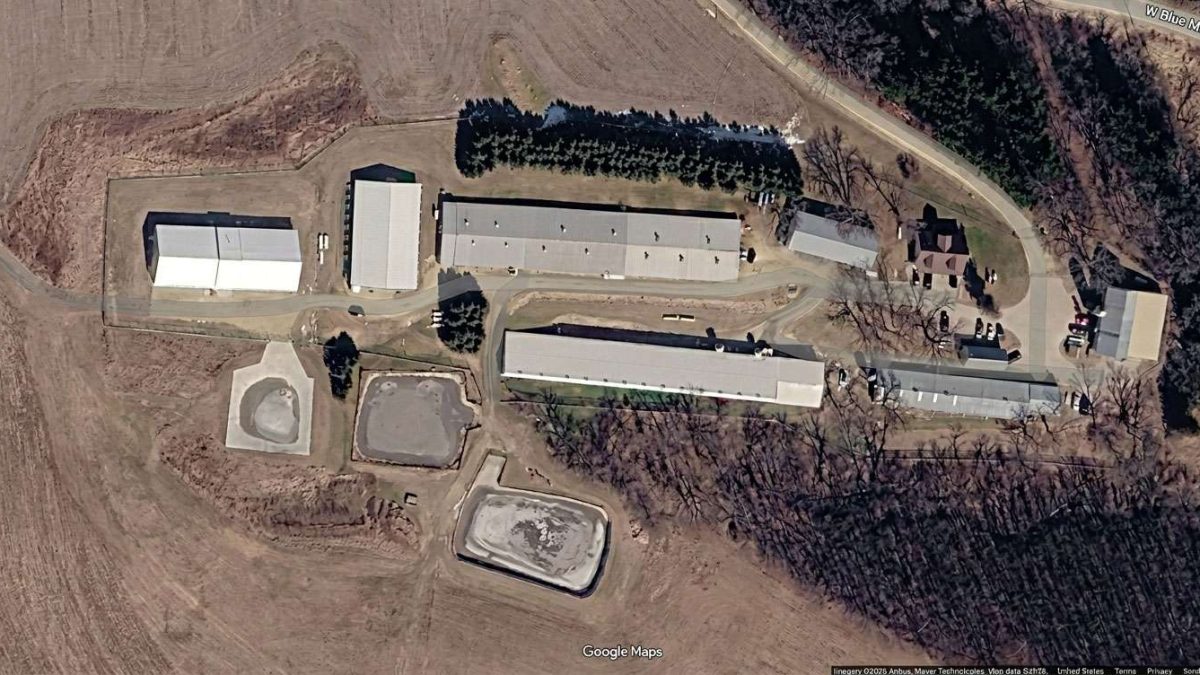
Ridglan Farms beagle release begins as first 300 dogs leave Wisconsin facility in nationwide rescue effort
More than 1,500 beagles are being removed from Ridglan Farms, a Wisconsin breeding facility that supplied dogs to research labs, after a rescue agreement; the first 300 dogs were transported Friday to rescues across the U.S.
Key takeaways
- Initial removal: The first van loads removed ~300 beagles on Friday, beginning a multi-day transfer. (Fox6Now)
- Scope of the deal: Roughly 1,500 of ~2,000 beagles will move into rescues and shelters nationwide under the purchase agreement. (Beagle Freedom Project, Fox News)
- Veterinary oversight: Dogs were screened, vaccinated and given Benadryl before transport; partner rescues will provide exams, microchips and rehabilitation. (Fox News, YouTube coverage)
First wave: what happened Friday
On Friday, rescue groups loaded the first vans and removed roughly 300 beagles from Ridglan Farms near Blue Mounds. Volunteers and on-site veterinarians performed health screenings, administered vaccinations and gave Benadryl to reduce transport-related reactions before the dogs were placed on trucks bound for shelters and foster networks nationwide. (Fox6Now; Fox News)
How the deal was structured
The transfer follows a purchase agreement between Ridglan Farms, Big Dog Ranch Rescue / Beagle Freedom Project partners and the Center for a Humane Economy. The organizations agreed to acquire about 1,500 of the facility’s roughly 2,000 beagles for an undisclosed price. Responsibility is spread across several rescue partners so dogs can receive medical exams, microchips and vaccinations upon arrival and then be evaluated for adoption.
The Beagle Freedom Project is managing placement for 500 dogs while other groups, including the Dane County Humane Society (video coverage), have scheduled large removals as part of the Center for a Humane Economy’s share. (Beagle Freedom Project; YouTube coverage)
Medical care and rehabilitation plans
Transporting hundreds of dogs safely required veterinary oversight. On-site vets screened dogs, administered vaccines and provided Benadryl to reduce transport-related reactions. Once at partner shelters and rescues, animals will receive full medical exams, microchipping and follow-up vaccinations before adoption evaluations.
Many of the beagles lived their lives in kennel settings and will need socialization and training. Big Dog Ranch Rescue’s founder, Lauree Simmons, said the groups expect to teach many dogs basic home skills such as leash walking and housebreaking.
“It’s a very big win and I am ecstatic to have these dogs out and get them into loving homes,” Simmons said in a statement.
Background on Ridglan Farms and past allegations
Ridglan Farms has bred beagles for scientific research for more than 60 years. Animal welfare advocates long alleged the farm mistreated dogs and sent them to painful experiments. Former employees accused the facility of routine eye surgeries and other procedures carried out without proper veterinary standards or pain relief. A special prosecutor later determined the farm performed eye procedures that violated state veterinary standards. As part of a legal agreement to avoid prosecution on animal mistreatment charges, Ridglan agreed to surrender its state breeding license by July 1. Ridglan denies mistreatment and says its work supports biomedical research to benefit humans and animals. (Fox6Now; Fox News)
What remains at the facility
The rescue agreement does not cover every dog at Ridglan. The U.S. Department of Agriculture once reported roughly 2,200 dogs at the site; the purchase covers about 1,500. Advocates say they will continue seeking release for the dogs not included in the deal and will monitor the facility’s compliance with the license surrender and state standards. (Fox6Now; Fox News)
Political response and calls for funding review
The release has prompted political scrutiny over the use of animals sourced from Ridglan in federally funded research. Rep. Nicholas Langworthy (R-N.Y.) urged Health and Human Services Secretary Robert F. Kennedy Jr. and National Institutes of Health Director Jay Bhattacharya to stop federal funding for research that used dogs from Ridglan Farms. In an April 24 letter, Langworthy wrote that the issue is “not about opposing scientific progress; it is about ensuring that federally funded research reflects both ethical standards and scientific advancement.” The call reflects broader concerns that taxpayer-funded research should meet strict animal welfare standards. (Fox News)
Implications for Hesperia, California
Although centered in Wisconsin, the nationwide redistribution of dogs could reach local shelters and rescues. Key points for Hesperia-area groups and residents:
- Local adoption opportunities: Rescue groups coordinating the release are placing dogs nationwide; Hesperia residents should monitor placement pages such as the Beagle Freedom Project for vetted adoption listings.
- Shelter capacity and volunteer needs: Small municipal shelters in the High Desert may need additional volunteers, fosters and funding for medical care and training if transfers occur.
- Policy and oversight concerns: The debate about federal funding and sourcing of research animals highlights opportunities for local constituents to demand transparency from elected officials.
- Community safety and training resources: Many rescued beagles will need socialization and basic training; local trainers and faith-based groups could help provide classes and foster recruitment.
- Economic and practical impact: If Hesperia-area rescues receive placements, costs for exams, microchips and vaccinations will fall to rescues and donors; local leaders can encourage private charitable support rather than expanded public spending.
Sources and coverage
Reporting and statements are drawn from local and national outlets, rescue organizations and video coverage. See original coverage and organizational pages:


