
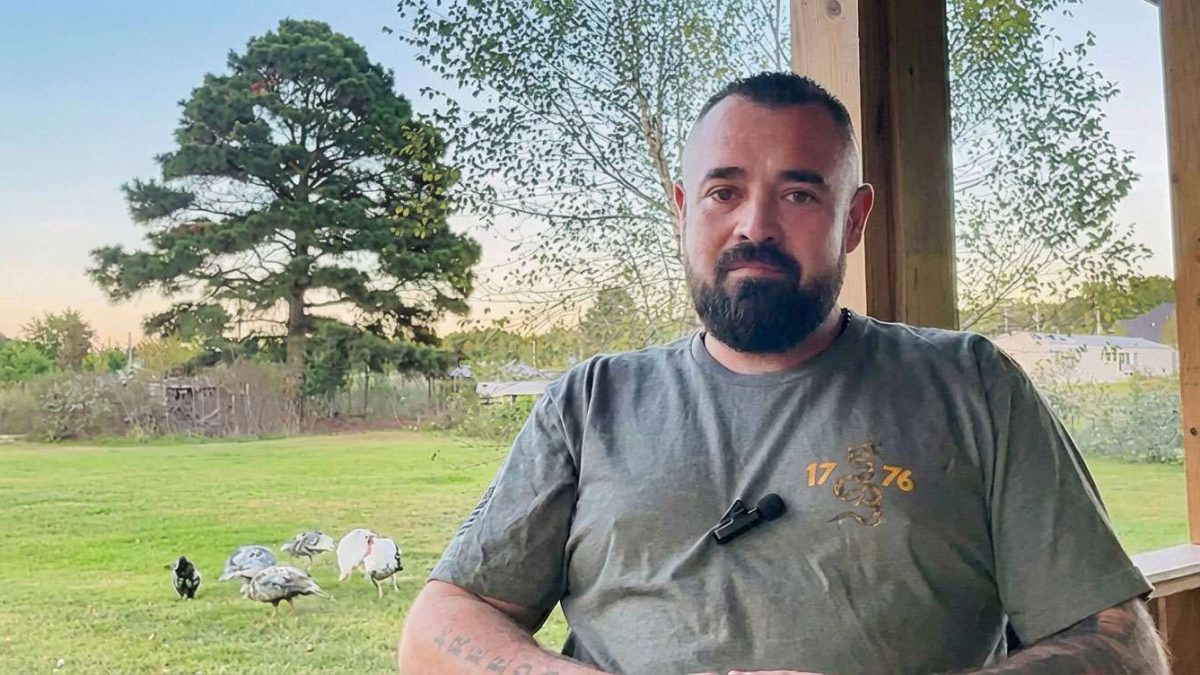
Aaron Spencer, Facing Second-Degree Murder Charge, Wins Republican Nomination for Lonoke County Sheriff
Aaron Spencer, charged with second-degree murder in the October 2024 death of Michael Fosler, won the Republican primary for Lonoke County sheriff with 53.5% of the vote on March 4, 2026, advancing while his criminal case remains pending.
- Primary outcome: Spencer captured 53.5% of the vote, defeating incumbent John Staley (26.5%) and David Buford (19.9%), according to KATV reporting and state tally updates.
- Criminal charge: He is charged with second-degree murder in the Oct. 2024 shooting of 67‑year‑old Michael Fosler, has pleaded not guilty, and is free on bond while the trial is pending (video reporting).
- Legal consequence: If convicted of second-degree murder, Spencer would be barred from serving as sheriff under Arkansas law, a key legal fact shaping voters’ and officials’ reactions.
- Next contest: Spencer advances to face Democrat Brian Mitchell Sr. in November if he remains eligible; unofficial results and reporting are available via the KATV primary results roundup.
Main details and overview
Lonoke County, Arkansas — Aaron Spencer, an Army veteran and farmer currently indicted on a charge of second‑degree murder, unexpectedly won the Republican primary for Lonoke County sheriff on March 4, 2026. The unofficial tally awarded him 53.5% of the vote, with incumbent Sheriff John Staley at 26.5% and candidate David Buford at 19.9%, per KATV reporting and overnight returns.
Incident background
Prosecutors allege Spencer shot and killed 67‑year‑old Michael Fosler in October 2024. Court records and police reports say Spencer woke to find his daughter missing from the family home, located her in Fosler’s truck, forced the vehicle off the highway, and an altercation followed that led to a shootout. After the incident, Spencer called 911. Spencer has pleaded not guilty and remains free on bond while the case proceeds (KATV; video reporting).
Before his death, Fosler faced multiple sexual‑offense charges involving Spencer’s then‑teenage daughter and was out on bond, according to court records and local reporting. The allegations and the violent outcome have left the county deeply divided and have drawn national attention to questions of law enforcement accountability and victim protections.
Primary election results and reaction
Unofficial results posted by the Arkansas Secretary of State and reported by KATV showed Spencer winning the Republican nomination and advancing to a November contest against Democrat Brian Mitchell Sr. Incumbent Sheriff John Staley — whose deputies arrested Spencer and helped assemble the case — conceded on Facebook, writing:
“Tonight the voters made their decision in the Republican Primary, and I respect the decision.”
Spencer thanked supporters after the victory and framed his campaign around restoring public safety and trust between neighbors and law enforcement. In campaign materials he stressed parental protection and criticized perceived failures in local law enforcement and the circuit court (KATV).
Campaign platform and local message
Spencer ran while under indictment and made his legal struggle a central campaign theme, arguing it exposed gaps in how certain crimes are handled. Supporters emphasized accountability, family protection, and change at the top of a county agency that touches many households. Opponents and legal observers warned of the legal and ethical implications of electing someone facing a serious criminal charge, noting the risk of undermining the office’s credibility if a conviction occurs (KATV; video reporting).
Legal status and next steps
Charges and schedule: Spencer is charged with second‑degree murder, has pleaded not guilty, and is free on bond. His jury trial, initially set for January, was delayed and rescheduled for later in March 2026 according to local court scheduling reported by outlets (KATV; video reporting).
Under Arkansas law, a conviction for second‑degree murder would render Spencer ineligible to serve as sheriff — a legal reality that could alter the practical outcome of the November election and county leadership plans.
What this means for voters and law enforcement
The race has sharpened debate over how small communities handle violent crime and alleged abuse. Voters who backed Spencer said they prioritized a candidate promising thorough protection for victims and families. Critics warned that electing a sheriff facing a serious criminal charge risks damaging public trust and could leave the county without stable leadership if a conviction occurs.
Implications for Hesperia
Economic impact
Hesperia businesses, farms and retailers watch county law enforcement closely. A sheriff campaigning on community safety and credibility can shape perceptions that influence shopping, tourism and investment. If a sheriff is distracted by legal matters or rendered unable to serve, leadership gaps could raise costs and strain shared regional resources.
Political consequences
Conservative voters in Hesperia who value law‑and‑order credentials and family protection may be energized by the Spencer nomination. The situation underscores candidate vetting and could shift messaging if a conviction alters local races or party strategies.
Social effects and cultural relevance
The case — centering on alleged sexual crimes involving a minor and a father’s violent response — touches strong emotions in conservative communities. Residents may demand swifter action on sex‑crime allegations, more visible support for victims, and clearer reporting policies from community institutions. At the same time, many call for the legal system to run its course and for officials to avoid prejudging legal outcomes.
Practical applications for residents
Local leaders and families can take practical steps:
- Review and share child‑protection resources and reporting procedures in schools and community centers.
- Ask candidates to specify how they would support victims while maintaining due process and public trust.
- Monitor legal proceedings and contingency plans so local governments can prepare if elected officials become unable to serve.
Next steps in Lonoke County
If Spencer remains eligible, he will face Democrat Brian Mitchell Sr. in the November general election. Meanwhile, the criminal case remains pending and upcoming court dates will determine whether Spencer can assume office if he wins in November. Local officials and residents will be watching court rulings and any developments closely as they consider accountability and the future of law enforcement leadership.


