
Alaskan Climbing Star Balin Miller Dies After Fall From El Capitan While Lead Rope Soloing
Balin Miller, 23, an Alaskan climbing talent, died after a fall from El Capitan’s Sea of Dreams route while lead rope soloing. The accident occurred during reduced park staffing amid a federal shutdown and remains under investigation.
- Victim: Balin Miller, 23, from Alaska — reported by ABC News.
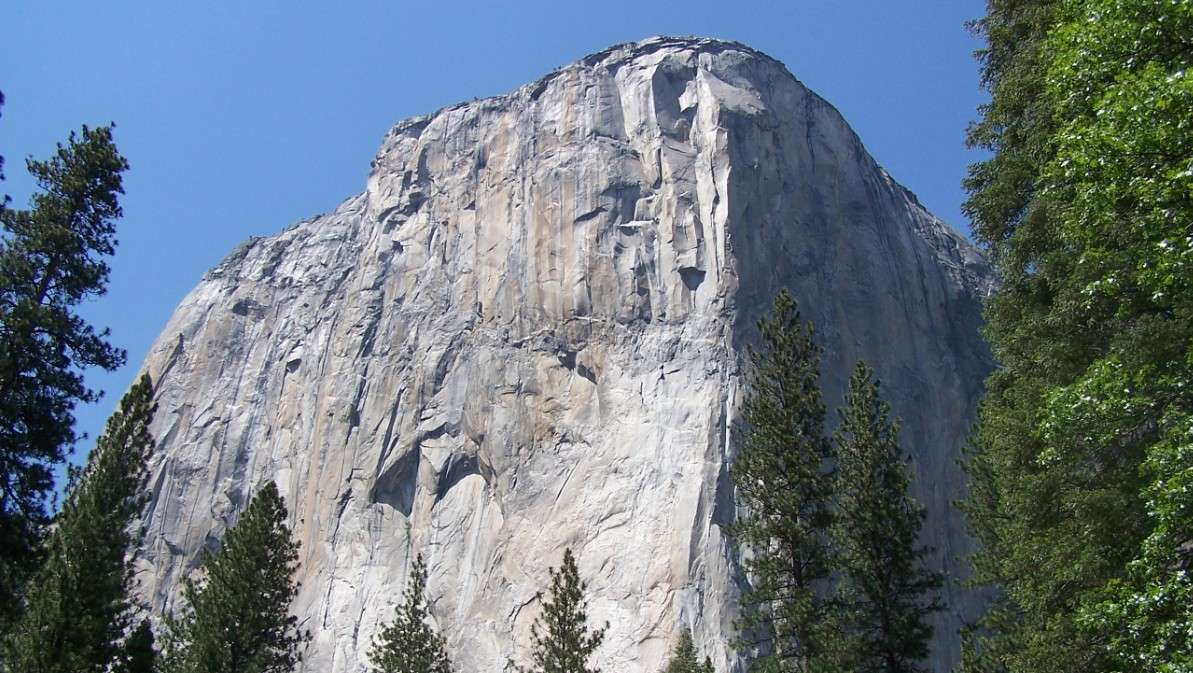
- Location: El Capitan, Sea of Dreams (~2,400 feet) — reported by Fox News.
- Activity: Lead rope soloing; reports indicate he fell while hauling gear and may have rappelled off the end of his rope — see a YouTube report.
- Timing & investigation: Fall occurred amid a federal shutdown with limited park staffing; the National Park Service is investigating, with local reporting by ABC30 and ABC News.
Details of the accident
Authorities and family members report that Miller fell to his death on Wednesday while navigating El Capitan’s Sea of Dreams route. The route climbs roughly 2,400 feet of continuous big-wall terrain on one of America’s most famous faces. Family accounts and on-site video indicate Miller had completed the ascent and was hauling gear when he fell, possibly after rappelling off the end of his rope — a scenario described in reporting by Fox News and shown in a video report.
Park response and investigation
The National Park Service has opened a formal investigation. The incident occurred on the first day of a federal government shutdown, when visitor centers were closed and staffing reduced. Officials say emergency responders reacted immediately, but observers raised concerns about how reduced services affect safety on high-risk routes. Initial reporting and official statements are available via ABC News and ABC30.
Lead rope soloing and safety context
Lead rope soloing is an advanced, high-risk technique. Unlike partnered leading or top-roping, a soloist must place protection, manage hauling systems, and rig rappel points alone. Experts emphasize that one small mistake — misthreading a rappel device, miscalculating rope length, or forgetting redundancy — can be fatal on long multi-pitch lines like Sea of Dreams. Reporting notes the possibility Miller rappelled off the end of his rope, a known hazard on long descents (Fox News).
Community reaction and legacy
Miller was praised within the climbing world for daring ascents and a deep love of the outdoors, including notable climbs such as the Slovak Direct on Denali. On social media he was often called the “orange tent guy” for his distinctive camp setup and active posting on platforms like TikTok. Family, friends, and fellow climbers described him as passionate and committed from a young age. His mother, Jeanine Girard-Moorman, said,
“He just had a passion to climb. Live free.”
Tributes poured in online and among climbing circles, with calls for renewed attention to safety on exposed big walls. Local and national coverage highlighted both his climbing achievements and the community’s grief (Fox News; ABC30; video report).
Reporting and media coverage
Coverage has spanned national wire services, local outlets, televised segments, and social video. Initial wire reports summarized facts and ongoing investigation status (ABC News; ABC30). Fox News provided background on Miller’s ascent history and the possible mechanics of the fall (Fox News), and multiple video outlets posted scene footage and interviews (YouTube; YouTube).
Safety discussion and expert recommendations
Instructors and safety advocates say incidents like this should spur renewed emphasis on training, rigorous gear checks, and conservative decision-making. Practical recommendations for climbers on long, exposed routes include:
- Double-check rappel anchors and rope lengths before committing to descent.
- Use redundant systems for critical points such as anchors and rappel devices.
- Carry communication devices and personal locator beacons on remote routes.
- Add extra safety margin when park staffing or services are limited.
Implications for Hesperia, California
This tragedy may affect Hesperia in several ways:
- Economic: Local gear shops, guide services, and outfitters may see shifts in demand tied to climbing interest and safety concerns.
- Political: The timing during a federal shutdown has prompted debate about park staffing, public safety, and the tangible costs of funding gaps—an argument heard among local conservative audiences and officials.
- Social: Local outdoor groups may increase training on rope safety, emergency plans, and rescue procedures; memorials or fundraising drives could also emerge.
- Practical: Residents planning trips should check park alerts, carry extra safety gear, enroll in rope/rescue courses, and review emergency plans with partners.
Sources and reporting
This report draws on national and local outlets and video reporting, including:
Conclusion
Investigators continue to examine equipment, rope systems, and the sequence of events that led to this fatal fall. Family, friends, and the broader climbing community are mourning a young climber known for daring routes and a deep love of the mountains. For residents and climbers planning trips to Yosemite and other parks, the clear message is: understand the risks, prepare carefully, and make conservative choices when operating alone on exposed terrain.


