
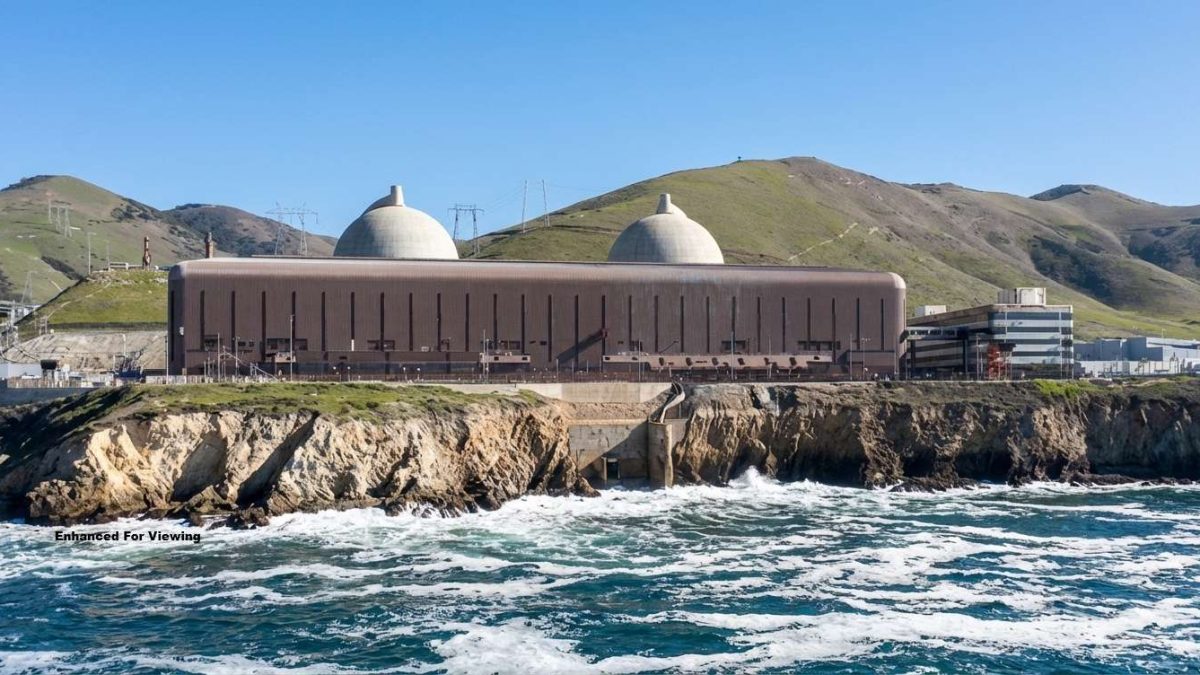
Behind the Reversal: How Lobbying, Politics and Grid Fears Kept Diablo Canyon Online
California reversed its 2016 plan to close Diablo Canyon, extending operations under SB 846 amid blackout concerns, climate goals and rising demand, keeping the state’s last nuclear plant online as a central piece of its near‑term energy strategy.
Key takeaways
- PG&E and environmental groups agreed in 2016 to close Diablo Canyon by 2025, but that deal was later revisited.
- SB 846 (2022) authorized extended operations: Unit 1 to 2029 and Unit 2 to 2030, plus state support and loan authority.
- Diablo Canyon supplies roughly 10% of California’s electricity and a large share of the state’s firm, 24/7 carbon‑free power (SF Chronicle).
- Regulatory approvals include a coastal permit that requires roughly 4,000 acres of conservation as mitigation (Noozhawk, CalMatters).
The 2016 shutdown deal
In 2016, PG&E reached a public agreement with major environmental and labor groups — including NRDC and Friends of the Earth — to close Diablo Canyon’s two reactors by August 2025 and replace its output with renewables and efficiency measures. Prominent state officials at the time, including then‑Lt. Gov. Gavin Newsom, said the plant was “no longer necessary” as California shifted toward wind and solar.
Why a reversal surfaced (2020–2022)
By 2020, policymakers faced new pressures: rolling blackouts, warnings from the California Independent System Operator (CAISO) about tight summer capacity, and growing electrification that increased demand. These issues prompted lawmakers to reconsider whether retiring a major, steady generator was prudent (SF Chronicle).
Supporters stressed that Diablo Canyon provides zero‑carbon baseload power that eases California’s path to 2030 climate targets, cautioning that an early closure could raise reliance on natural gas or imports while renewables and storage scale up (SF Chronicle).
Newsom pivot and SB 846
In summer 2022, Gov. Gavin Newsom reversed his earlier position and supported extended operations. The legislative vehicle, SB 846 (authored by Sen. Bill Dodd), authorized Unit 1 through 2029 and Unit 2 through 2030 and directed state support, including loan authority and pursuit of federal assistance.
Reporting indicates SB 846 emerged from compressed, end‑of‑session negotiations with intense behind‑the‑scenes outreach to lawmakers and the governor’s office, contrasting with the more public process of the 2016 closure agreement (SF Chronicle).
Role of pro‑nuclear advocacy and money
A network of national and state pro‑nuclear organizations, technical societies and some climate groups campaigned to keep Diablo open through policy briefs, expert testimony, media outreach and direct engagement with officials (IJPR, SF Chronicle).
Investigations find that philanthropic and tech‑sector donors — including funders connected to venture capital who favor advanced nuclear and clean‑tech — supported pro‑nuclear policy work broadly. However, public records do not show a single, itemized VC‑led lobbying campaign focused only on Diablo; instead, overlapping coalitions of industry, experts and funders argued for keeping the plant as part of a reliable, low‑carbon mix (SF Chronicle).
Federal aid and financing
Following SB 846, PG&E sought and received federal assistance, including funding from the U.S. Department of Energy’s Civil Nuclear Credit Program, which provided hundreds of millions to help keep Diablo online as a zero‑carbon resource. The California Public Utilities Commission (CPUC) issued conditional approval for extended operation in December 2023, aligning regulation with the legislation (SF Chronicle).
Regulatory milestones and land conservation
In December 2025, the California Coastal Commission approved a coastal development permit that removed a major regulatory hurdle for operation through 2030. As part of that approval, PG&E agreed to conserve roughly 4,000 acres as mitigation for environmental impacts, especially related to water‑cooling effects on marine life (Noozhawk, CalMatters).
The land package is smaller than the conservation attached to the 2016 closure deal but serves as mitigation for the extended‑operation period.
Diablo’s role on the grid
Energy experts say Diablo produces about 10% of California’s in‑state electricity and an even larger share of the state’s firm, 24/7 carbon‑free power. For those worried about blackouts and grid reliability, that makes Diablo a critical near‑term asset (SF Chronicle, IJPR).
“Diablo Canyon is the backbone of the California clean, reliable electrical system,” said Richard St. Onge of the American Nuclear Society, noting the plant’s roughly 10% share of state electricity.
Ongoing opposition and scrutiny
Environmental justice groups, some climate organizations and community advocates continue to oppose the extension. They argue the move delays investment in renewables, storage and transmission, and raise concerns about seismic risks at a coastal plant near fault zones. Critics also contend the 2022 legislative process and some regulatory steps limited public input and undercut the 2016 consensus closure agreements (IJPR, SF Chronicle).
What’s documented and what isn’t
Mainstream reporting and official records document the 2016 closure deal, Newsom’s 2022 pivot, passage of SB 846, Diablo’s significant electricity role, and regulatory approvals including the coastal permit and conservation requirements (SF Chronicle, San Luis Obispo County, Noozhawk, CalMatters).
Less firmly documented in open sources is a single, itemized trail showing venture capital firms directly paying lobbyists specifically for Diablo Canyon. Reporting shows VC‑connected donors and tech sector funders backing pro‑nuclear policy work broadly, but transaction‑level links to Diablo lobbying remain partial in public records (SF Chronicle).
Implications for Hesperia, California
Economic and grid reliability effects: Hesperia is inland, but Diablo’s continued operation matters statewide. If the plant had closed early without enough clean firm replacements, more power could have come from natural gas or imports — potentially raising costs or blackout risk. For residents focused on reliable service and lower energy costs, the extension can be seen as a hedge against interruptions while the state builds renewables and storage (SF Chronicle).
Political consequences: The behind‑the‑scenes lobbying and rapid legislative push that produced SB 846 will resonate with Hesperia voters who favor transparency and fiscal prudence. Questions about who influenced the change — industry, pro‑nuclear groups, and donors from the tech and investment world — feed local concerns about government accountability.
Environmental and community issues: Hesperia residents who prioritize stewardship should note the state required PG&E to protect about 4,000 acres near Diablo as part of the permit. While that easement aims to limit coastal harms, opponents still cite seismic risks and worry that extended reliance on nuclear could delay local renewable and storage projects that would directly benefit high‑desert communities (Noozhawk, CalMatters).
Practical day‑to‑day impact: Homeowners and businesses in Hesperia may see effects through state energy prices, blackout risk during peak months, and the pace of local clean‑energy projects. If the extension prevents rotating outages, it protects commerce and keeps air‑conditioning running during heat waves; if it slows renewable buildout, local clean‑energy investments and jobs could be delayed (SF Chronicle).
Policy takeaway
The Diablo Canyon extension sits at the intersection of energy policy, climate goals and grid reliability. For conservative voters in Hesperia, the key questions are whether the state balanced reliable, affordable power with transparent public processes — and whether the deal ultimately protects ratepayers and local communities while meeting California’s clean‑energy targets (SF Chronicle, IJPR).


