
Social Security Announces 2.8% COLA for 2026; Nearly 71 Million Beneficiaries to See Higher Checks
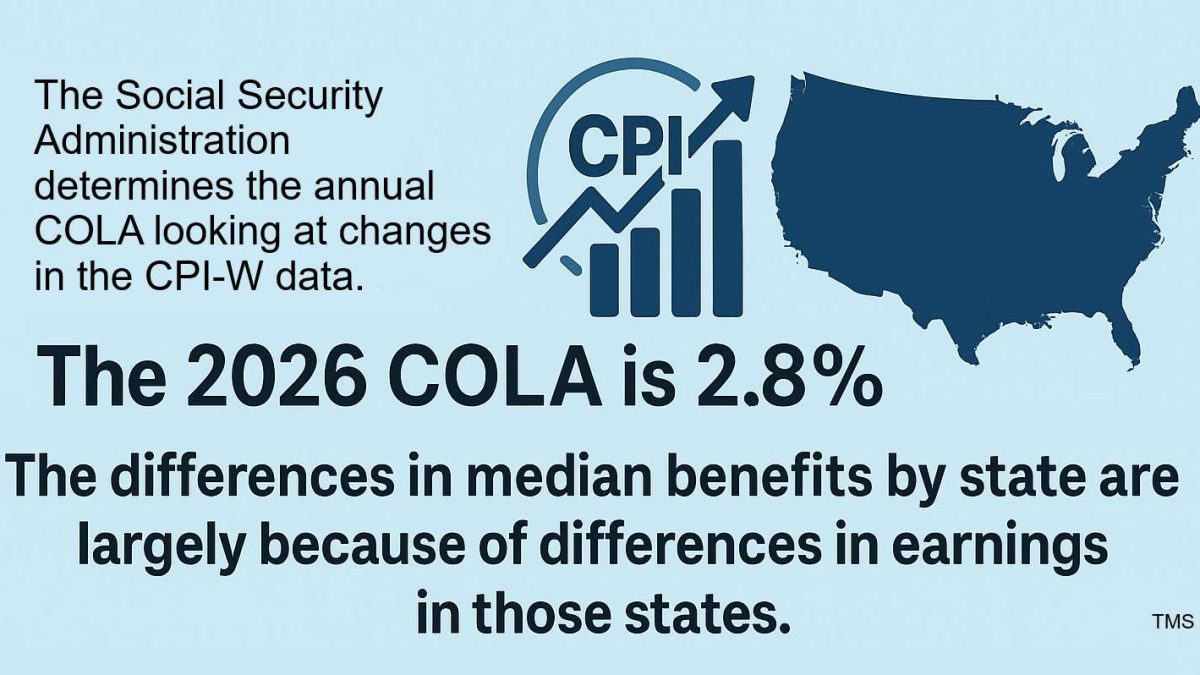
The Social Security Administration announced a 2.8% Cost-of-Living Adjustment for 2026, raising benefits for nearly 71 million recipients in January 2026, with about 7.5 million Supplemental Security Income recipients seeing increases effective December 31, 2025.
Key takeaways
- 2.8% COLA for 2026 will raise Social Security benefits in January 2026.
- Nearly 71 million Social Security beneficiaries will receive the increase.
- About 7.5 million SSI recipients will see higher payments effective December 31, 2025.
- Average retired worker benefit rises by about $56 per month (~$672 per year) according to SSA and policy analysis.
What beneficiaries will see
The 2.8% COLA will be reflected in benefit checks starting in January 2026 for retirement, disability, and survivor benefits. The SSA estimates the average retired worker’s benefit will rise by roughly $56 per month ($672 per year). SSI recipients receive their increase a few days earlier, with higher federal payment levels effective December 31, 2025.
How the COLA is calculated — and why some question it
The COLA is set by comparing the Consumer Price Index for Urban Wage Earners and Clerical Workers (CPI-W) from the third quarter of one year to the third quarter of the next. For 2026, the change from Q3 2024 to Q3 2025 produced the 2.8% figure. See detailed methodology on the SSA COLA page.
Critics argue the CPI-W focuses on urban wage earners and clerical workers rather than older Americans and may under- or overstate the inflation seniors face—particularly for healthcare and housing. Policy analysts continue to debate whether an alternative measure would better reflect senior costs; see commentary from the American Action Forum.
Statement from the SSA
SSA Commissioner Frank J. Bisignano said the adjustment helps protect the “foundation of security” that Social Security provides.
The SSA released full details and related 2026 figures on its site; refer to the SSA press release and the SSA blog summary for official language and examples.
Other changes tied to 2026
Several Social Security thresholds also change for 2026:
- Taxable maximum earnings: $184,500 in 2026, up from $176,100 in 2025 (SSA COLA page).
- Earnings limits for working beneficiaries:
- Under full retirement age: annual earnings limit is $24,480.
- If you reach full retirement age in 2026: limit is $65,160 for months before the birthday month.
- At full retirement age or older: no limit on earnings.
Historic context and recent trends
The 2.8% COLA is slightly higher than the 2.5% increase for 2025 and slightly below the decade average (~3.1%). It follows elevated adjustments in recent years — 5.9% (2022) and 8.7% (2023) — driven by higher inflation. Analysts note this marks several consecutive years of above-average COLAs for retirees.
State-by-state impacts and comparisons were covered in reporting such as the Nasdaq state analysis and advocacy summaries like the Seniors League overview.
Who gains and who still struggles
A 2.8% raise provides extra purchasing power for seniors on fixed incomes, but for many the COLA may not fully offset faster-rising costs in healthcare and housing. Advocacy groups urge continued attention to protecting benefit value while addressing program finances; see analysis from the American Action Forum and the Seniors League.
Policy notes and economic influences
The COLA reflects last year’s inflation trends and broader economic influences such as supply-chain conditions, fiscal policy choices, tariffs, tax changes, and immigration policy. Policy analyses discuss how these factors fed into the CPI-W change used for the 2026 calculation (Seniors League; American Action Forum).
Implications for Hesperia, California
Economic impact
Hesperia has many seniors and fixed-income households. The 2.8% COLA and average increase of about $56/month can help with essentials — groceries, prescriptions, utilities — and provide a modest boost to local retailers and service providers in early 2026. See the SSA announcement.
Political consequences
For conservative voters in Hesperia, the COLA highlights the need to protect earned benefits while balancing long-term program solvency. The rise in the taxable maximum to $184,500 may prompt local debate on payroll tax fairness and fiscal responsibility (SSA COLA page; American Action Forum analysis).
Social effects
The increase is meaningful for retirees and disabled residents who rely on Social Security. Even modest boosts can prevent deferring medical care or critical repairs. SSI recipients also receive higher federal payments effective December 31, 2025, which can address urgent needs (SSA blog; SSA COLA page).
Cultural relevance
Hesperia’s community values of self-reliance and family support mean the COLA helps households caring for elderly relatives. Many readers will weigh immediate relief against concerns about long-term program stability and intergenerational fairness (SSA press release).
Practical applications for residents
- Check your January 2026 benefit statement online to see your new payment amount (SSA COLA page).
- SSI recipients: note the December 31, 2025 effective date for higher payments (SSA blog).
- Working beneficiaries should review updated earnings limits to understand potential benefit reductions due to work (SSA COLA page).
- Contact your local Social Security office for personalized assistance; SSA resources and fact sheets are available online (SSA 2026 fact sheets).


