
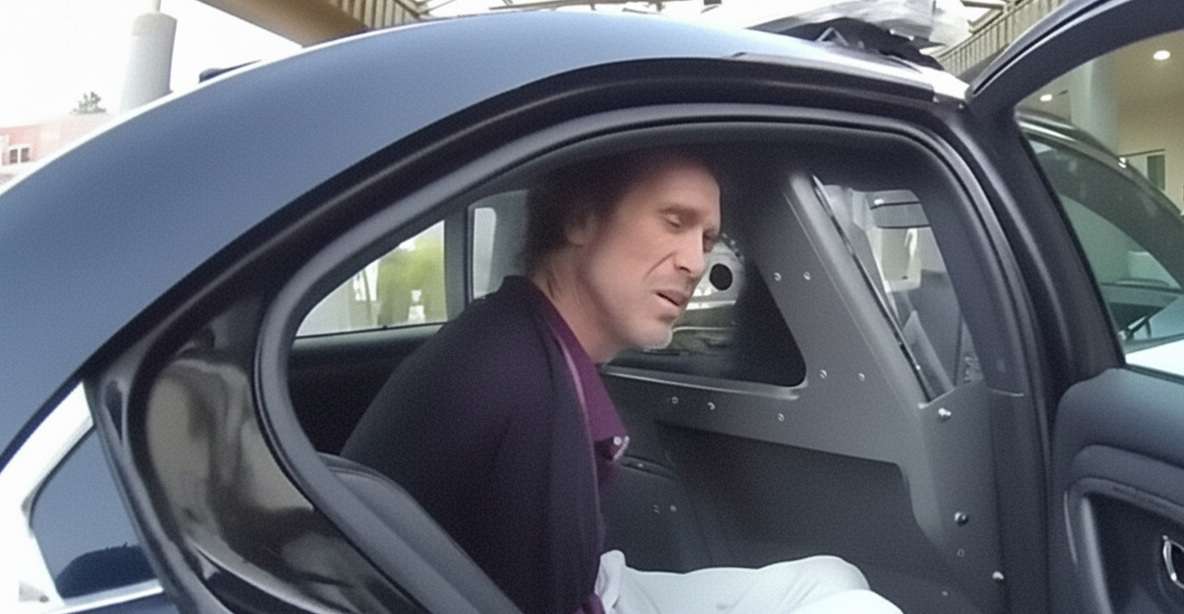
Todd Snider dead at 59 after tumultuous weeks that included Utah assault and arrest; cause of death not yet confirmed
Todd Snider, the revered Americana and alt-country singer-songwriter, died Nov. 14, 2025, at 59 after a rapid health decline following a November assault, arrest and hospitalization for walking pneumonia; officials and family have not confirmed a cause.
- Death and timeline: Snider died Nov. 14, 2025, after a rapid decline following an early-November assault in Salt Lake City and subsequent hospitalization (IBTimes, OPB, Consequence, JamBase).
- Cause unconfirmed: Family and management cite complications related to walking pneumonia and prior health struggles; no formal cause of death or autopsy results have been released (Consequence, JamBase, Complex).
- Unclear links: The relationship between the Utah assault, the hospital incident and Snider’s later illness remains unestablished by officials (IBTimes, Complex).
The assault in Utah and hospital treatment
Sequence of events: Reports say Snider was allegedly attacked outside a Salt Lake City hotel in early November 2025 and was treated at a local hospital immediately afterward. Multiple outlets describe the event as violent, but police and hospital officials have provided limited public detail (IBTimes, OPB, JamBase).
After discharge from the Salt Lake City facility, Snider was reportedly involved in a disturbance at Holy Cross Hospital that led to his arrest on Nov. 2 on charges including disorderly conduct, trespassing and making threats. Hospital staff called police after Snider became combative and made verbal threats; he was taken into custody and released. The exact triggers for the confrontation remain unclear (K99, QuickCountry).
“The assault has been characterized in multiple reports as violent, though police and hospital officials have provided limited public details.”
Tour cancellations and return to Tennessee
Following the Utah episode and arrest, Snider canceled remaining tour dates across Oregon and Washington. Promoters and his team notified venues and ticket holders as cancellations were announced. He returned to Tennessee, where he later developed severe breathing problems and was hospitalized in Hendersonville (OPB, JamBase, WhiskeyRiff).
Health decline and reported walking pneumonia
Back in Tennessee, Snider was diagnosed with walking pneumonia, a condition that can worsen rapidly in those with underlying health issues. Management and family reported that his condition deteriorated quickly despite treatment. No medical examiner report or autopsy has been released, leaving the definitive cause unresolved (IBTimes, Consequence, Complex, JamBase).
Family statements and industry reaction
Family and representatives issued brief statements acknowledging Snider’s death and noting longstanding health struggles and chronic pain that they say were aggravated by life on the road. Friends and fellow musicians reacted with shock and grief, praising Snider’s candid voice in Americana and alt-country (Consequence, JamBase, WhiskeyRiff).
Career and legacy
Todd Snider’s work: Over roughly three decades he released about 20 albums, blending humor, social commentary and vivid storytelling. Albums such as East Nashville Skyline (2004) helped cement his reputation as a modern troubadour; he also performed with other acts, including appearances with Jimmy Buffett’s Coral Reefer Band (OPB, Consequence, WhiskeyRiff).
Questions that remain
Investigative attention centers on whether the alleged Utah assault contributed to the medical decline, whether the hospital incident signaled an acute crisis, and how chronic conditions and touring stress combined. Reporters and fans await official cause-of-death confirmation or autopsy results (IBTimes, Complex, Consequence).
Official records and public-safety angle
Local law enforcement in Utah and Tennessee have not released detailed public reports linking the assault to Snider’s death. The scant public narrative has prompted calls for transparency about hospital restraint policies, patient handling, and coordination between medical staff and police when touring artists become ill or combative (IBTimes, K99).
Implications for Hesperia, California
Local implications include economic impacts on venues and vendors from cancellations, potential political pressure for clearer reporting and investments in first responders, and social responses such as memorials and mental-health outreach. Community leaders may use the episode to examine policies and support networks for touring musicians (sources compiled from OPB, JamBase).
Practical applications for residents
- Event planners should review cancellation policies, insurance and contingency plans for touring acts.
- Local healthcare and EMS may be asked about coordination with law enforcement for combative or critically ill out-of-area patients.
- Musicians and promoters could consider mutual-aid networks or partnerships with clinics to assist touring artists facing sudden crises.
Sources and further reading
Reporting compiled from Times Media Service and cited outlets listed below:


