
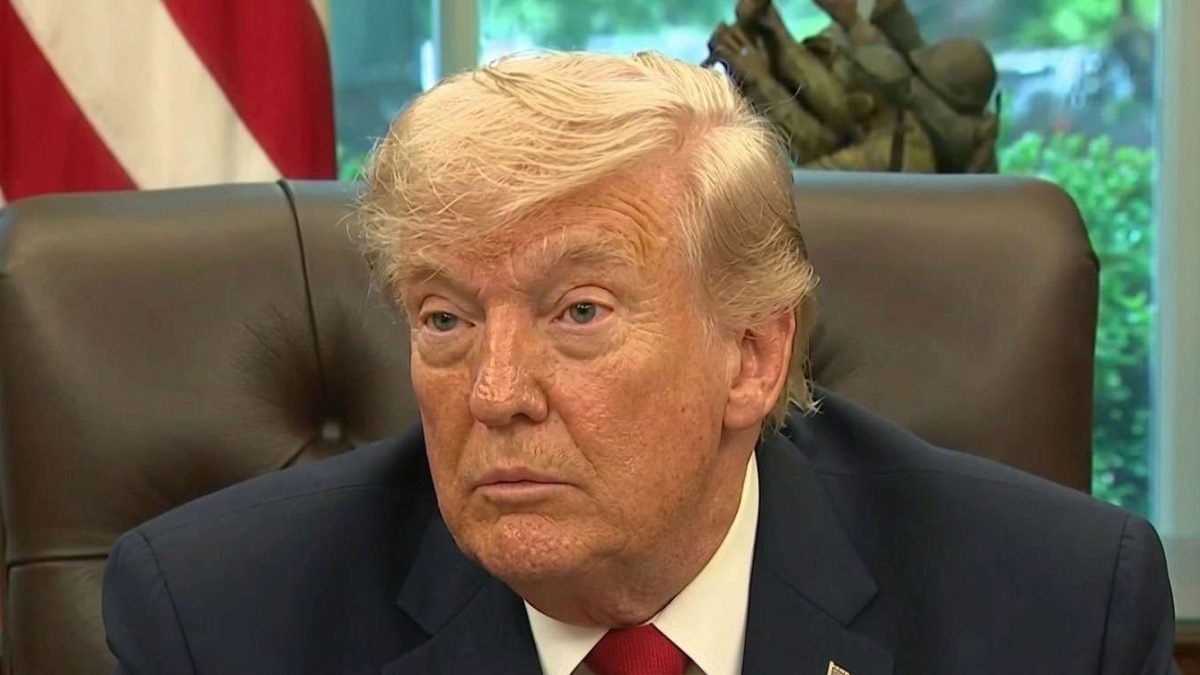
Trump announces three-day Russia-Ukraine ceasefire, 2,000-person prisoner swap timed to Victory Day
WASHINGTON — President Donald Trump announced a historic three-day ceasefire between Russia and Ukraine, set for May 9–11, 2026, and a 2,000-person prisoner exchange, with 1,000 transferred by each side, in talks mediated by the United States.
Key takeaways
- Three-day pause: Trump posted the terms on Truth Social, saying the pause runs May 9–11 and includes a 1,000-for-1,000 prisoner swap.
- Ukrainian confirmation: Volodymyr Zelenskyy confirmed on X that Ukraine agreed to the exchange within U.S.-mediated talks and that the ceasefire must be in place May 9–11.
- Russian response: Kremlin officials acknowledged U.S.-mediated contacts; the Russian Defense Ministry said Moscow ceased combat operations and held previously occupied lines when a unilateral truce took effect.
- Scale and logistics: The 1,000-for-1,000 swap poses major verification and transport challenges; teams from both sides are preparing handover mechanics and monitoring plans.
Main coverage
A Trump-brokered pause timed to Victory Day
President Trump wrote on Truth Social that he requested the ceasefire so both countries could observe the World War II commemoration Russia celebrates on May 9 as Victory Day. He framed the prisoner swap as a core part of the agreement and thanked both leaders for accepting the terms.
Zelenskyy: “Within the framework of the negotiating process mediated by the American side, we received Russia’s agreement to conduct a prisoner exchange in the format of 1,000 for 1,000.”
Zelenskyy added that Ukraine is “consistently working to bring its people home from Russian captivity” and that his government would prepare promptly for the exchange; he asked the U.S. to help ensure Moscow adheres to the agreement (X).
How the deal came together
Kremlin comments say the agreement followed direct contacts with the U.S. administration. Kremlin aide Yuri Ushakov and other officials pointed to telephone contacts that helped secure commitments. The Russian side publicly stated it would observe the brief pause in kinetic actions; the Russian Defense Ministry said it had “ceased combat operations and remained at its previously occupied lines and positions” once its unilateral truce took effect at midnight.
Trump characterized his role as mediator, calling the pause and swap “the beginning of the end of a very long, deadly, and hard-fought war,” and said talks are ongoing with parties “getting closer and closer every day” (Truth Social).
Historic context and hurdles ahead
Analysts caution that short holiday truces have a long history of unraveling. Previous unilateral ceasefires around holidays have often broken down within hours amid mutual distrust and accusations of violations. Both governments have previously announced holiday truces that were ignored on the ground; Ukraine’s strike capabilities and Russia’s operational depth complicate enforcement.
This year, Moscow scaled back its Victory Day ceremony — notably not featuring tanks, missiles, or other heavy equipment — a change tied to security concerns and wartime realities (Kremlin).
Prisoner exchange: logistics and verification
Both sides committed to a one-for-one swap at the scale of 1,000 captives each. Teams were instructed to finalize where prisoners would be handed over, how identities would be confirmed, and what international monitoring would accompany the swap. The mechanics remain to be worked out rapidly.
Operational needs include safe corridors, neutral verification, medical checks, and secure transport. Past exchanges often used third-party monitors such as the International Committee of the Red Cross; Zelenskyy explicitly requested American support to guarantee compliance.
Credibility and enforcement questions
Skeptics highlight that a three-day pause may be too short for a large-scale exchange, leaving little room for delays or incidents. Both sides have incentives to complete a high-profile swap — Ukraine to recover citizens and Russia to mark Victory Day with a diplomatic success — but mutual distrust and advanced strike systems raise the risk of incidents that could scuttle the agreement.
U.S. involvement as mediator places Washington in a visible guarantor role. Zelenskyy asked for U.S. assurances that Moscow would fulfill the deal, and the White House will face pressure to monitor compliance closely if it wants to preserve credibility as a broker.
Implications for Hesperia, California
Local effects in Hesperia — a city in San Bernardino County with many veterans and active-duty families — will be mostly political and symbolic in the short term.
- Political: Conservative voters and local leaders may praise perceived U.S. diplomatic leadership and press elected officials to demand firm enforcement and oversight from Washington.
- Economic: Short-term local impacts are limited, but any easing of the war could modestly affect energy and commodity markets over time, indirectly benefiting commuters and small businesses.
- Social and community: Veterans’ groups, churches, and civic organizations may organize statements or events supporting returning captives and honoring World War II remembrance.
- Cultural: While Victory Day is not widely observed in the U.S., its symbolism may be incorporated into local veteran remembrance and May programming in Hesperia.
- Practical: Residents should not expect immediate disruptions; local media attention and potential visits from regional officials are more likely than operational impacts.
Sources and links for further reading
- Trump’s announcement on Truth Social
- Zelenskyy’s post and updates on X
- Kremlin official statements
- Russian Defense Ministry statements
- Times Media Service reporting guidelines and dateline
Ongoing developments
Teams from both capitals say they are preparing logistics and verification measures for the prisoner exchange and the ceasefire window. U.S. officials involved in mediation have not released a full verification plan publicly; international monitors may be asked to certify handovers. Observers caution the short duration and history of holiday ceasefires create narrow margins for success, but the large scale of the swap and direct U.S. engagement raise the event’s significance in the long-running conflict.


