
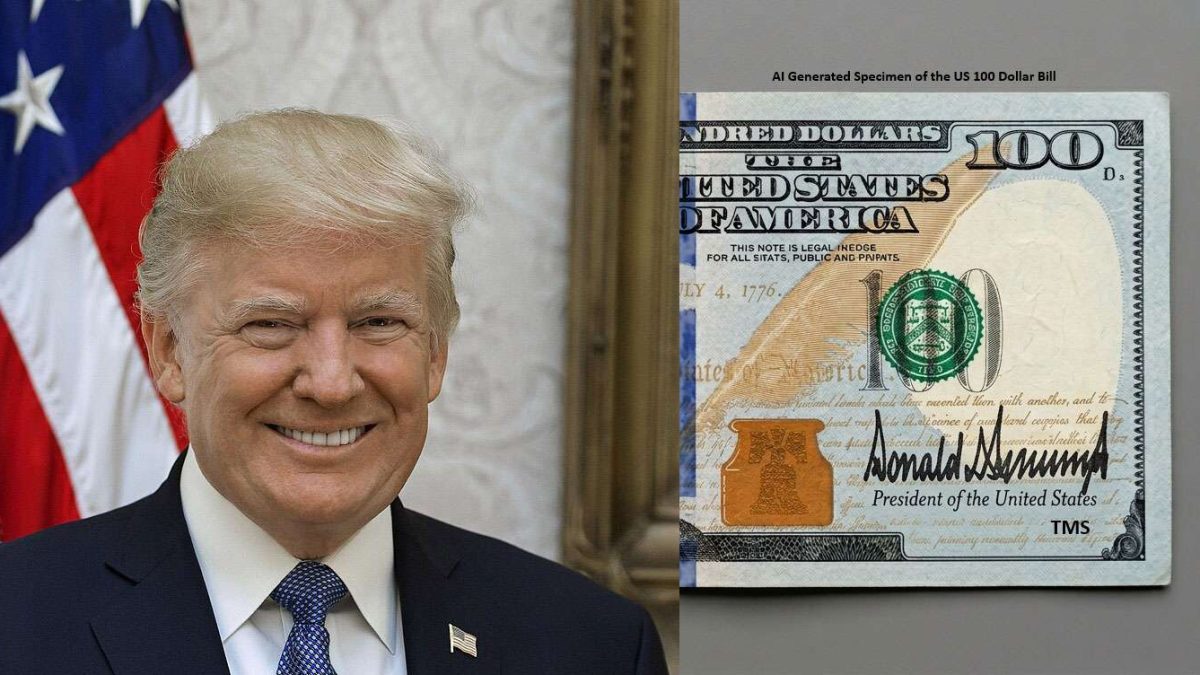
Trump’s Signature to Appear on U.S. Bills for 250th Anniversary; First $100 Notes Set for June
President Donald Trump’s signature will appear on future U.S. paper currency alongside Treasury Secretary Scott Bessent’s to mark the Semiquincentennial; the initial $100 notes with both signatures are scheduled for production in June 2026.
- The Treasury will replace the Treasurer’s signature with President Trump’s on paper currency for the first time in 165 years — see the U.S. Treasury press release.
- First $100 notes with Trump and Treasury Secretary Scott Bessent’s signatures are set for production in June 2026, with other denominations following — detailed in the Treasury press release.
- The administration links the change to commemorative coin approvals and claims of economic strength; reporting and reaction are covered by ABC News.
What the Treasury announced
The Treasury Department announced on March 26, 2026, that President Trump’s signature will appear on all future U.S. paper currency alongside Treasury Secretary Scott Bessent’s. The Treasury press release lays out a phased timeline: the Bureau of Engraving and Printing will begin producing $100 notes with the new signatures in June 2026, with other denominations to follow.
Production and transition details
The Treasury noted that production lines remain active for notes bearing signatures from the prior administration. The Bureau of Engraving and Printing will continue to produce currency with signatures from former Treasury Secretary Janet Yellen and Treasurer Lynn Malerba until the new run starts, according to the Treasury press release.
Administration messaging and reaction
Treasury Secretary Scott Bessent framed the change as recognition of a period of economic strength:
“Under President Trump’s leadership, we are on a path toward unprecedented economic growth, lasting dollar dominance, and fiscal strength and stability,”
and said there is “no more powerful way to recognize the historic achievements of our great country and President Donald J. Trump than U.S. dollar bills bearing his name,” tying issuance to the Semiquincentennial, per the Treasury press release.
Treasurer Brandon Beach also praised the move, saying the inclusion of Trump’s signature is “not only appropriate, but also well-deserved” and calling the president “the architect of America’s Golden Age economic revival,” as stated in the Treasury press release.
Legal and policy context for coins and currency
Federal law forbids placing the likeness of living persons on regular circulating U.S. currency; that ban aims to avoid political endorsements on standard money. The administration argues commemorative coins are treated differently and fall within federal rules that allow portraits of living individuals on specially issued or commemorative pieces. Coverage of the coin approvals and related criticism appears in ABC News.
ABC News reported objections from Democrats and critics over both the coin approvals and the effort to place a sitting president’s signature on paper currency; the administration maintains signatures and commemorative designs are within legal authority and long-standing Treasury practice for special issues (see ABC News).
Why this change matters
- Historical precedent: Replacing the Treasurer’s signature has not occurred in 165 years; the change is symbolic and ties currency to the authorizing administration (Treasury press release).
- Marketing and politics: Currency and commemorative coins with a sitting president’s signature or image are high-profile symbols that can bolster administration messaging about economic success.
- Practical rollout: The Bureau of Engraving and Printing will phase in the new notes while still producing older-design notes with prior administration signatures until the transition completes (Treasury press release).
Investigative questions and open issues
Legal boundaries: Scholars may assess whether commemorative logic should apply to circulating notes; laws governing likenesses on coins and the rules for signature placement are distinct and could invite legal review.
Fiscal optics: Critics may question if new designs and commemorative programs are prudent uses of federal resources or largely political symbolism; supporters argue the changes celebrate milestones and support the dollar’s image abroad.
Precedent: Altering longstanding practice could open the door for future administrations to request similar changes, potentially politicizing what many view as neutral tradition.
International implications: The Treasury framed the move as part of sustaining “lasting dollar dominance.” How foreign markets interpret such symbolic changes may affect perceptions of U.S. fiscal stability (Treasury press release).
What has been produced so far
The Treasury confirmed the Bureau of Engraving and Printing continues to produce notes carrying the signatures of former Treasury Secretary Janet Yellen and Treasurer Lynn Malerba. New notes with Trump’s signature will be introduced in phases, starting with the $100, per the Treasury press release.
Coins and controversies
Commission approvals for coin designs using a White House photograph of President Trump — including a $1 coin and a 24-karat gold commemorative coin — were reported by ABC News. Democrats and critics argue approvals blur lines and could set politicized numismatic precedents; the administration maintains commemoratives are exempt from the ban on featuring living presidents on regular currency (see ABC News).
Implications for Hesperia, California
Economic impact
- Local cash-dependent businesses — retail stores, restaurants, convenience markets and service shops in Hesperia — will see new bills enter circulation over time, starting with $100 bills. There is no immediate cost to residents; the change is largely symbolic.
- Coin collectors and dealers in San Bernardino County and the High Desert may see increased interest in commemorative pieces, especially 24-karat gold coins, potentially bringing modest local business to coin shops and shows.
Political consequences
- Conservative voters in Hesperia may view the decision as positive recognition of administration policies; local GOP officials and conservative leaders could highlight the announcement.
- Opponents and Democrats may criticize the politicization of currency and government programs, potentially using the debate in local campaign messaging and turnout efforts.
Social and cultural effects
The signature addition and commemorative coin push bring national politics into everyday life. In Hesperia, conversations in cafes, churches, veterans groups and town halls may center on what such symbols mean for national identity and local values tied to independence and patriotism.
Schools and civic groups marking the 250th anniversary may incorporate the news into Semiquincentennial activities or educational programs.
Practical applications for residents
- Residents do not need to exchange old bills for new ones; notes will enter circulation gradually. Local banks and credit unions in Hesperia will adjust cash inventories as shipments arrive.
- Collectors should contact local banks and coin dealers about availability of commemorative pieces.
- Businesses and cash-handling services should continue standard counterfeit-detection practices; security features remain unchanged.
Reporting and next steps
Journalists and residents can follow official Treasury announcements and national coverage. The core schedule and rationale are provided in the Treasury press release, and reporting on coin approvals and reactions is available via ABC News.
The Treasury has invited questions through its public channels. Local newsrooms and civic groups in Hesperia may seek comment from regional bank branches, coin dealers and municipal officials about local plans, Semiquincentennial activities, and how to inform residents about new currency and commemorative offerings (see the Treasury press release and ABC News).


