
How Disney’s 2012 Lucasfilm Buyout Built the New Star Wars — and Why Local Fans Say the Brand Is Losing Its Way
Burbank, California (Our Hesperia) – On Oct. 30, 2012, Disney announced its $4.05 billion acquisition of Lucasfilm, folding Star Wars, Indiana Jones and Lucasfilm’s technical arms into Disney — a deal that reshaped global entertainment nationwide and ignited intense fandom debate.
Key takeaways
- Major acquisition: Disney bought Lucasfilm and its units for $4.05 billion, consolidating creative and technical IP under one corporate owner.
- Early commercial win: The Force Awakens (2015) was a box-office juggernaut, proving the franchise still drew massive audiences.
- Fan divide: Creative choices under Disney produced praise for some projects and sharp criticism or apathy from other fans.
- Local impact: Communities like Hesperia feel franchise swings in retail, tourism, seasonal hiring and family entertainment options.
Overview: the 2012 deal and why it mattered
On Oct. 30, 2012, The Walt Disney Company announced an agreement to acquire Lucasfilm Ltd. for $4.05 billion. The purchase moved the Star Wars and Indiana Jones franchises — plus technical units like Industrial Light & Magic and Skywalker Sound — under Disney’s corporate umbrella, enabling plans for new films, TV series and expanded merchandising across parks and platforms.
Acquisition basics: what Disney bought
Disney’s purchase included more than movie titles: it covered Lucasfilm’s production arm, the visual-effects house Industrial Light & Magic, post-production through Skywalker Sound, and broad consumer-product and licensing rights. Reporting at the time noted the consideration was roughly half cash and half Disney stock and that George Lucas had been in discussions with Disney leadership before the deal closed (Dec. 4, 2012). For the original transaction announcement, see StarWars.com: “New Star Wars movies announced as Disney enters agreement to acquire Lucasfilm Ltd.” and contemporary coverage such as Cartoon Brew reporting on the purchase.
Initial expectations: growth, production and merchandising
Disney framed the acquisition as a multi-decade growth play: a steady pipeline of feature films and television series, deep merchandising reach into global markets, and stronger theme-park integration. Kathleen Kennedy was named president of Lucasfilm to lead creative strategy and execution. Many fans and investors expected Disney’s marketing and distribution strength to translate into more frequent releases and consistent brand performance.
Early wins: The Force Awakens and a strong box office
The strategy produced an immediate commercial triumph. Star Wars: The Force Awakens (2015) opened to massive audiences and industry box-office tallies show domestic grosses around $937 million, reinforcing confidence that the franchise retained enormous drawing power. For box-office figures, see Box Office Mojo: The Force Awakens.
Where stewards and fans disagree: creative choices and mixed returns
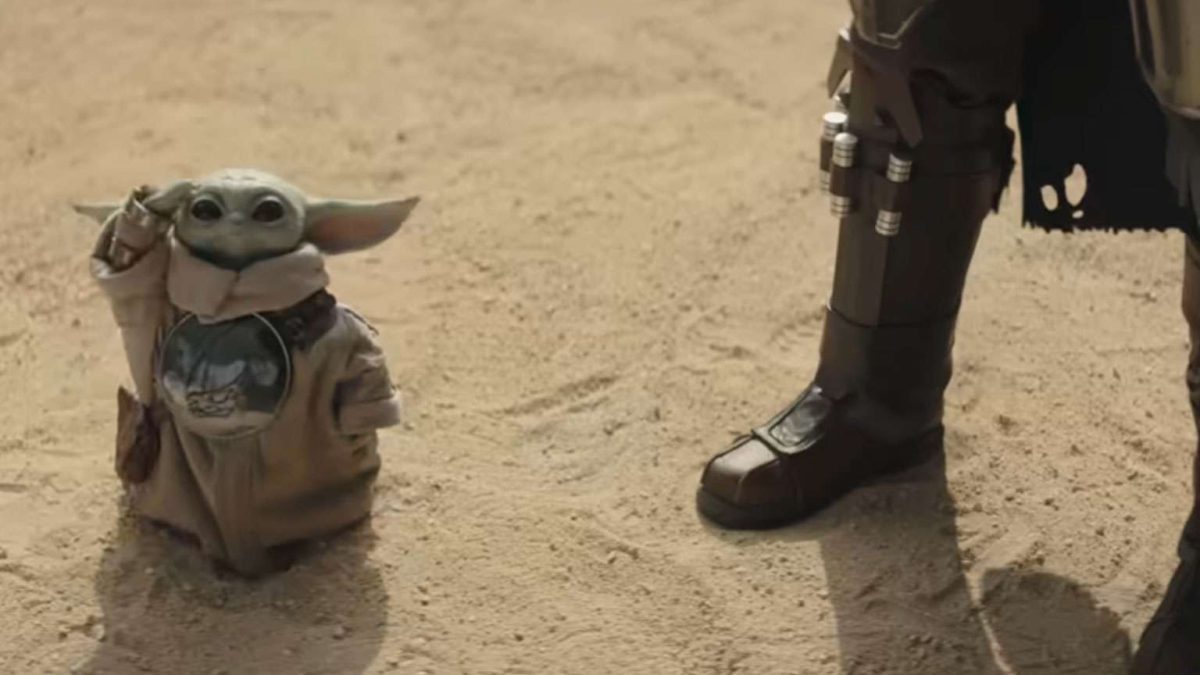
After the initial success, Disney expanded Star Wars across sequels and Disney+ originals. Some projects — notably The Mandalorian and Andor — earned critical praise and renewed interest in serialized storytelling. But a broader set of releases produced debate: critics and many fans questioned tonal shifts, inconsistent story arcs and executive-level decision-making. The result is a more fragmented audience that often greets new announcements with skepticism or apathy instead of near-universal excitement.
“Franchises live on audience trust — once that trust fractures, the cultural and commercial momentum can slow.”
What public research shows — and what it does not
This article anchors the factual record of the 2012 sale in contemporaneous reporting and uses industry databases for performance context. It does not attempt a comprehensive catalog of every post-acquisition release, box-office breakdown or streaming metric. For background on the transaction and later coverage, consult primary sources such as Wikipedia: Lucasfilm and video coverage like YouTube video coverage.
Brand stewardship and the cost of losing the “benefit of the doubt”
One industry rule is clear: large franchises depend on audience trust. Longstanding expectations for storytelling and spectacle shape fan reactions. Rapid expansion and varied creative directions under Disney produced both diversity and division. Where some viewers welcomed new approaches, others felt the franchise lost a coherent guiding vision — which can blunt opening-weekend buzz, reduce merchandising lift and lower the local economic ripple effect tied to major releases.
Implications for Hesperia, California
Hesperia sits in Southern California’s entertainment orbit. Even if studios and parks are elsewhere, local retail, theaters, collectible shops and seasonal vendors rely on franchise cycles for revenue spikes. When franchise enthusiasm wanes, those businesses may see reduced sales. Residents commuting to theme parks or studios can also feel shifts through fewer seasonal hires and less overtime.
Key local effects:
- Economic ripple effects: weaker releases can reduce retail, online demand and tourism.
- Jobs and services: seasonal hiring at parks and related hospitality roles may tighten.
- Community life: fewer shared cultural touchstones for family nights and fundraising events.
- Small-business risks and opportunities: shops can diversify with evergreen collectibles and local sci‑fi events.
Practical takeaways for Hesperia residents
Local stakeholders can take concrete steps to adapt:
- Retailers and theaters: plan for variable demand and promote alternative programming to stabilize foot traffic.
- Families and community groups: organize watch parties and screenings to preserve shared cultural experiences.
- Small businesses: emphasize evergreen collectibles and local events that don’t rely solely on studio marketing cycles.
- Workers: monitor seasonal hiring at nearby venues and pursue hospitality/retail training to stay competitive.
Sources and transparency
This report anchors the acquisition record in contemporaneous reporting and industry databases. Primary references include:
- StarWars.com: “New Star Wars movies announced as Disney enters agreement to acquire Lucasfilm Ltd.”
- Cartoon Brew reporting on the purchase
- Wikipedia: Lucasfilm
- Box Office Mojo: The Force Awakens
- YouTube video coverage of the announcement
Conclusion
The 2012 Disney–Lucasfilm deal is a documented corporate milestone that reshaped how Star Wars is produced, distributed and monetized. While the franchise delivered early box-office triumphs, stewardship choices since then have divided fans and produced uneven returns. For communities like Hesperia, the practical stakes are tangible: retail revenues, seasonal employment and shared family entertainment depend on a stable and trusted brand — and that trust is still being rebuilt.


