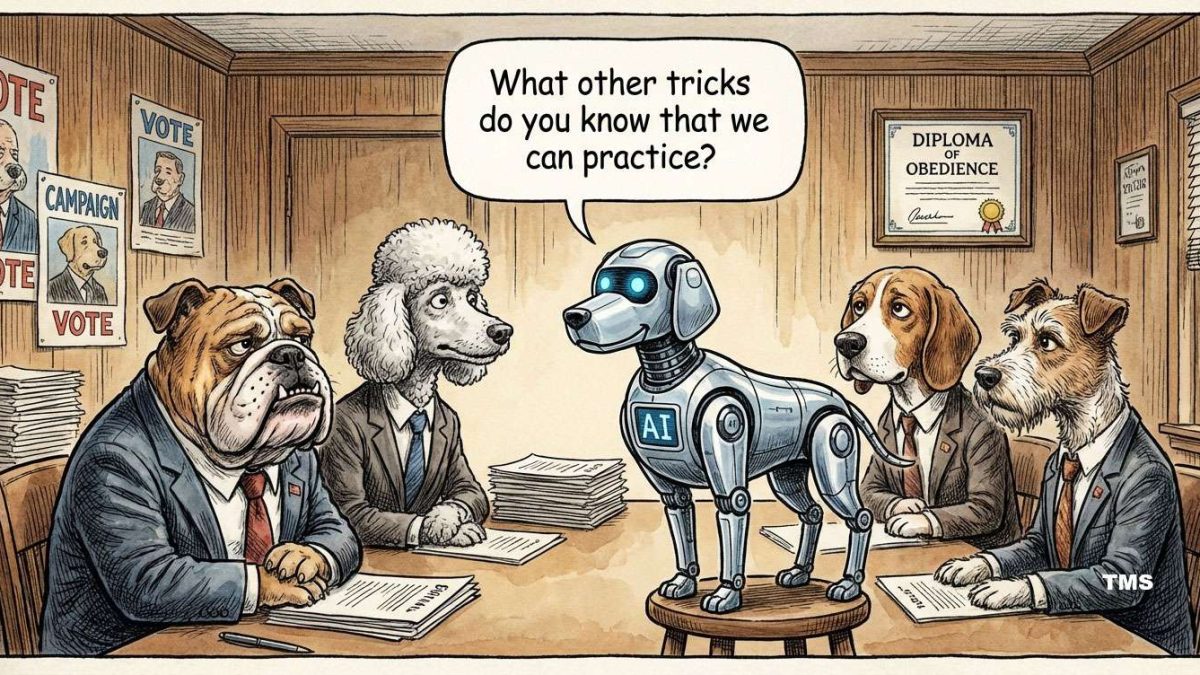
Aura AI Pet Robot aims to ease pet loneliness, but questions about privacy and price remain
At CES 2026 in Las Vegas on January 9, Tuya Smart unveiled Aura, an AI companion robot that recognizes pet behaviors and vocal cues to provide real-time interaction, emotional updates and remote engagement for cats and dogs, aiming to combat loneliness and anxiety.
Key takeaways
- Aura is Tuya Smart’s first AI-powered companion robot for household cats and dogs, shown at CES 2026 with multimodal emotional recognition and interactive features.
- The device offers real-time emotional status updates, autonomous mobility, two-way communications, and automated photography/video for sharing and review.
- Important details — price, launch date, accuracy of emotion detection, and privacy/data-retention policies — were not announced and deserve independent review.
Key information
• Product: Aura — Tuya Smart’s first AI companion robot for household cats and dogs (Tuya Smart press release)
• Debut: Announced at CES 2026, Las Vegas, January 9, 2026. Coverage included eWeek, AOL, and Fox News.
• Features: Emotional recognition, interactive play, photography/video capture, autonomous mobility, two-way communications, and ecosystem integration (company demos and media coverage; see Tuya booth demo video (YouTube)).
• Availability and price: Not announced as of CES 2026 (coverage: Fox News).
What Aura promises
Tuya positions Aura as more than a camera or feeder. The company says the robot uses multimodal AI to read pet behaviors, movement and vocal cues to detect states such as excitement, anxiety, loneliness or relaxation. Aura then sends real-time emotional status updates to an owner’s smartphone. Tuya calls this an “emotion translator” for pets and says it can help owners spot early signs of stress or illness that might otherwise go unnoticed (Tuya press release).
Core features and how they work
Emotional recognition and reporting
Aura combines behavior analysis and sound recognition with multimodal AI models to flag changes in mood or routine. For example, the robot is tuned to notice if a dog stops playing or if a cat hides or grooms more than usual — common early signs of anxiety or pain, Tuya says. This data is pushed to owners as alerts and summaries so they can act sooner (Tuya).
Interactive play and engagement
Aura includes tools meant to engage pets: laser pointers, treat dispensers, simulated pet sounds and animated “eyes” to express friendliness. It also supports voice interaction so owners can speak to their pets through the device. The goal is to replace stretches of quiet with meaningful interaction when owners are away. Media demos at CES showed the robot following a pet and triggering play sequences (AOL, Fox News).
Photography, video and sharing
The robot uses pet recognition and tracking to capture highlights — bursts of play, naps, or interaction — and can compile short videos for owners. Tuya says these clips are generated automatically to make sharing moments easy and to help owners and vets review behavior trends (Tuya).
Mobility, navigation and sensing
Aura moves through the home using V-SLAM autonomous navigation, binocular vision and AIVI object recognition so it can find pets, avoid obstacles and return to its dock. Unlike fixed cameras, it follows pets room to room and can seek them out when activity drops, according to Tuya’s demo (video, Tuya).
Two-way communication and remote care
Aura supports live two-way video and voice. Owners can check in, converse with their pets and trigger play sessions remotely. Tuya positions the robot as a more proactive tool than traditional pet cams and feeders that only show static views (AOL).
Ecosystem integration and services
Tuya says Aura will integrate with its developer ecosystem and local services. That means the robot could connect owners with boarding, veterinary services, behavior training, grooming or community features. Tuya also hints that the technology could support other household uses, like elder care or home monitoring, broadening potential markets. Industry reporting notes the company sees Aura as a hub for daily life use cases beyond pets (Tuya, Longbridge report).
Missing details and questions worth asking
Price and release date
Tuya did not announce Aura’s price or launch date at CES. That leaves buyers and local retailers in the dark about affordability and stock timing. Early interest at CES suggests demand, but cost will shape who can actually buy one (Fox News).
Accuracy of emotion detection
Tuya says Aura detects emotion from movement and vocal patterns, but independent testing will be needed. Animal behavior is complex: a wagging tail can mean many things. Experts will need to vet whether the AI reads signals accurately across breeds, ages and home contexts. Current media coverage is demo-based, not peer-reviewed (eWeek, AOL).
Privacy, data security and local law
Aura records video and audio inside homes and sends data to apps and cloud services. The Tuya press release describes ecosystem links but does not lay out privacy defaults, retention periods, or encryption standards. Buyers should ask:
- How long are recordings stored?
- Who can access the data and under what conditions?
- Are recordings and alerts encrypted in transit and at rest?
Local families and small businesses should consider privacy rules and best practices before adopting the device (Tuya).
Animal welfare and veterinary oversight
Aura is meant to flag behavior changes. It is not a veterinarian. Owners should not rely on it for diagnosis. Tuya suggests the robot can help spot signs early, but follow-up with a veterinarian or animal behaviorist remains essential. Local vets should be prepared to field questions from owners who bring AI-generated clips to appointments.
Impact on jobs and local services
If Aura and similar devices gain traction, local pet sitters, dog walkers and boarding services could feel pressure. But the device might also open new business lines: tech-enabled boarding, app-driven check-ins, and integrations with clinics. The local market will decide whether Aura supplements or replaces human services.
Implications for Hesperia, California
Economic impact
Hesperia has many pet owners in single-family homes and rural properties. If Aura arrives at a consumer-friendly price, local pet stores, groomers and vet clinics could sell or support devices, boosting small-business revenue from setup, repairs and companion services. Conversely, some dog walkers and in-home sitters may see fewer daytime visits if owners add robots to their homes. Local entrepreneurs could offer Aura setup, maintenance, and integration for ranch-style properties.
Political and regulatory consequences
Conservative voters in Hesperia value privacy and local control. Aura’s in-home recording and data-sharing raise questions about who controls that data and how it’s used. Local officials and community leaders may push for clear labeling and privacy protections from sellers and platforms. City or county consumer advocates could press Tuya and retailers for transparent terms of service before devices become widespread.
Social and family effects
For two-income households and older residents, Aura could ease worries about pets left home alone during long workdays. The robot might reduce stress for families who juggle shifts and commute times. For older pet owners or residents who live alone, Aura’s two-way communication and companionship features may be a practical aid that preserves independence.
Cultural relevance
Hesperia’s community includes many families that treat pets as part of the household. Aura fits a culture that values responsible pet care without relying entirely on government services. Local conservative audiences are likely to ask whether the device encourages responsible ownership or promotes a tech shortcut in place of human attention.
Practical applications for residents and local businesses
- Vet clinics: Expect new questions and AI video clips during appointments. Clinics can use Aura footage to track behavior changes between visits (Tuya).
- Pet sitters and boarders: Consider offering tech-enabled packages that pair human care with device monitoring to reassure clients (AOL).
- Retailers: Pet stores in Hesperia could stock Aura accessories and provide demo units to show how the system works. Early partnerships with local vets could boost trust.
- Consumers: Before buying, residents should confirm privacy settings, ask about data storage and encryption, and check with their veterinarian about using AI data for medical decisions (Tuya).
Sources and further reading
- Tuya Smart press release: Tuya Smart launches Aura, an AI companion robot designed for pets
- eWeek coverage: AI robot brings emotional care to pets
- AOL coverage: AI robot brings emotional care to pets
- Fox News coverage: AI robot brings emotional care to pets
- Tuya booth demo video (YouTube): Aura demo
- Analysis of broader market implications: Longbridge report
Bottom line: Aura demonstrates how AI and robotics may reshape pet care and local services, but price, privacy, independent validation, and regulatory clarity will determine whether the device helps communities or simply creates new questions.