
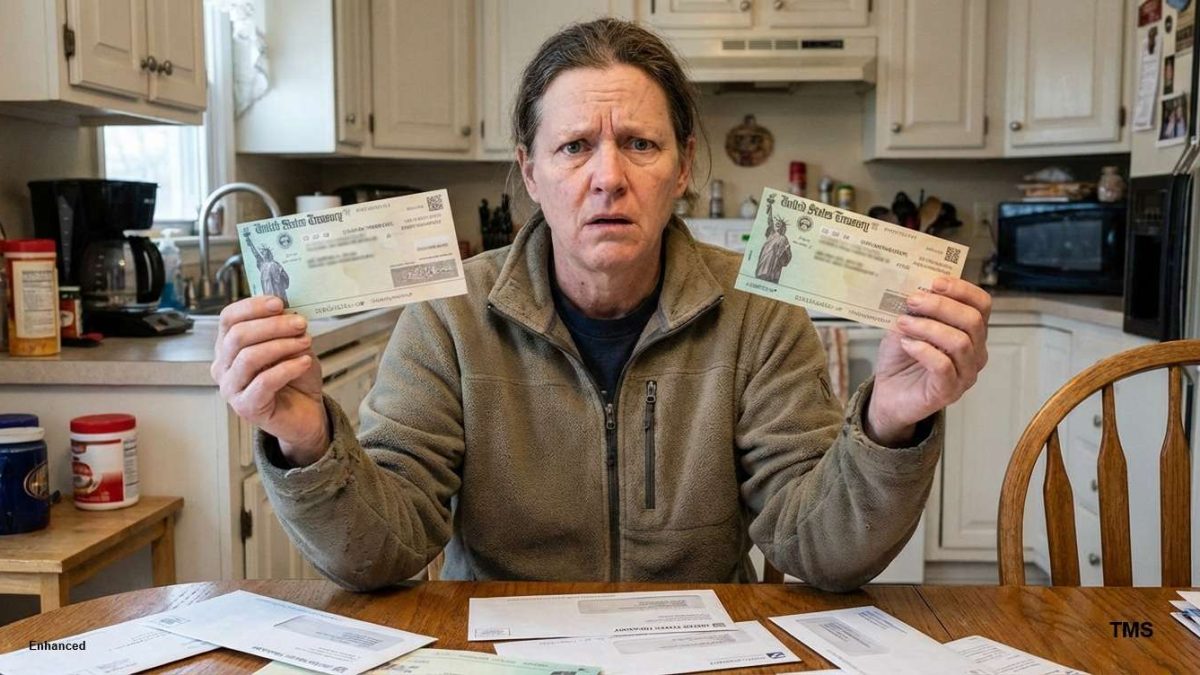
Some SSI recipients will get two payments in December 2025 — what to know about timing, COLA and budgeting
Some Supplemental Security Income recipients will receive two payments in December 2025: the regular Dec. 1 SSI check and an early Jan. 2026 benefit paid Dec. 31, which includes the 2026 COLA and may affect budgeting.
- People who receive SSI — a needs‑based benefit for low‑income older adults and people with disabilities.
- Two SSI payments will be paid in December 2025 — the regular Dec. 1 check and the Jan. 2026 benefit on Dec. 31.
- COLA — the Jan. 2026 SSI payment (paid Dec. 31) includes the 2.8% cost‑of‑living adjustment announced by SSA.
Why there are two payments in December 2025
SSI is normally paid on the 1st of each month. When the 1st falls on a weekend or federal holiday, the Social Security Administration issues benefits on the last business day of the prior month. Because Jan. 1, 2026, lands on a non‑business day, the payment that would normally arrive in January is scheduled for Wednesday, Dec. 31, 2025. The SSA 2025 payment calendar (PDF) and the SSA 2026 calendar (PDF) confirm that increased payments to nearly 7.5 million SSI recipients begin on Dec. 31, 2025.
Who gets two checks — and who does not
This timing quirk affects SSI recipients only. Social Security retirement, disability (SSDI) and survivor benefits follow a different schedule (often tied to birth date or special categories) and are not shifted the same way unless a beneficiary’s own schedule dictates it. People who receive both SSI and Social Security may see coordinated dates for mixed cases; see the payment schedule explainer for details.
Exact dates to watch
- December 1, 2025 — regular SSI payment for December.
- December 3, 10, 17, 24, 2025 — regular Social Security retirement/SSDI/survivor payments for groups paid by date or special categories.
- December 31, 2025 — SSI payment that counts as the January 2026 benefit and includes the SSI COLA 2026 (SSA COLA).
Payment amounts and the 2026 COLA
The SSA announced a 2.8% cost‑of‑living adjustment for 2026. That increase applies beginning with the Jan. 2026 SSI benefit — paid Dec. 31, 2025. The 2026 federal maximum SSI amounts are: $994 per month for an eligible individual, $1,491 for an eligible couple, and $498 for an essential person.
How payments arrive and what to do if a payment is missing
Most SSI payments arrive by direct deposit or to Direct Express debit cards; SSA has largely phased out paper checks. If a payment is missing, SSA guidance advises allowing three additional mailing days past the expected payment date before contacting the agency. For more on delivery methods see reporting from Fox Business and the SSA payment calendar.
Practical budgeting advice and what beneficiaries should know
- Treat the Dec. 31 payment as the January benefit. Don’t count on another SSI deposit in early January 2026 — it’s an advance, not an extra payment (see NerdWallet).
- Expect the SSI COLA 2026 to be included in the Dec. 31 payment. The Jan. 2026 benefit you get in December will be slightly larger due to the 2.8% increase (SSA COLA and SSA press release).
- Adjust bills or coordinate with creditors. If you rely on monthly bills timed to SSI deposits, shift due dates or notify providers to avoid late fees. Conservative planning favors a short two‑month budget that anticipates the early payout.
- If a payment is missing: For paper notices allow the extra mailing days; for electronic payments check your bank or Direct Express account and then contact SSA if the amount does not post (SSA guidance).
Sources and official notices
- SSA 2025 payment calendar (PDF)
- SSA 2026 payment calendar (PDF)
- SSA COLA page
- SSA press release on COLA and SSI
- SSA OACT SSI COLA details
- NerdWallet explainer on Social Security payment schedule
- Fox Business reporting on two payments in December
- Related local reporting (example)
Implications for Hesperia, California
Economic impact. Many Hesperia residents rely on fixed incomes; some depend on SSI for rent, utilities and groceries. The Dec. 31, 2025, payment that counts as January’s benefit could temporarily boost cash flow in December — helpful for holiday expenses — but it is not new money. Local charities and food banks may see a short‑term fluctuation in demand; nonprofits and volunteers can time emergency assistance around the early payout (SSA COLA; NerdWallet).
Political consequences
For a politically conservative audience in Hesperia, the timing underscores the value of predictable government schedules and personal responsibility. Local officials can help by directing residents to SSA resources and local assistance programs rather than promising new funds. Clear communication about the difference between an early payment and a new benefit can prevent misunderstandings.
Social effects
The calendar quirk may affect how families and caregivers arrange support. Households with automatic bill payments should check schedules to avoid overdrafts or late fees. Community groups — churches, veterans’ organizations and centers — could offer short workshops on budgeting, benefit timing and COLA impacts, which aligns with local values of self‑reliance and mutual aid (SSA press release).
Cultural relevance
Hesperia’s culture of neighborly assistance and practical problem solving suggests framing the two December payments as a scheduling quirk, not a windfall. Local faith‑based and civic organizations can emphasize stewardship: use the early payment for immediate needs but plan for January when no new SSI deposit will arrive (SSA OACT SSI details).
Practical applications for residents
- Check your benefit type: If you receive SSI, expect payments on Dec. 1 and Dec. 31 (the latter is the Jan. 2026 SSI payment with COLA applied). If you receive only Social Security retirement or SSDI, your schedule is based on birth date and is different (SSA calendar; NerdWallet).
- Update bill payments: Move automatic payments or contact service providers to avoid late fees; align expenses with income schedules.
- Use local resources: Contact San Bernardino County social services, local nonprofits or churches for help with shortfalls. Local officials should post SSA links and reminders on city pages (SSA guidance).
- Ask SSA if unsure: If a payment does not arrive, follow SSA guidance on waiting periods and then call the agency; official SSA notices and calendars are authoritative (SSA COLA; SSA calendar).
Note: If you receive SSI, Social Security, or both — and if you share your birth‑date range — local reporters or financial counselors can map exact late‑2025 and Jan. 2026 payment dates and advise on safe budgeting steps (NerdWallet; SSA calendar).


